

Jalissa
People Operations and Talent Acquisition professional
Top Skills
Talent AcquisitionHR Systems ManagementProject Management

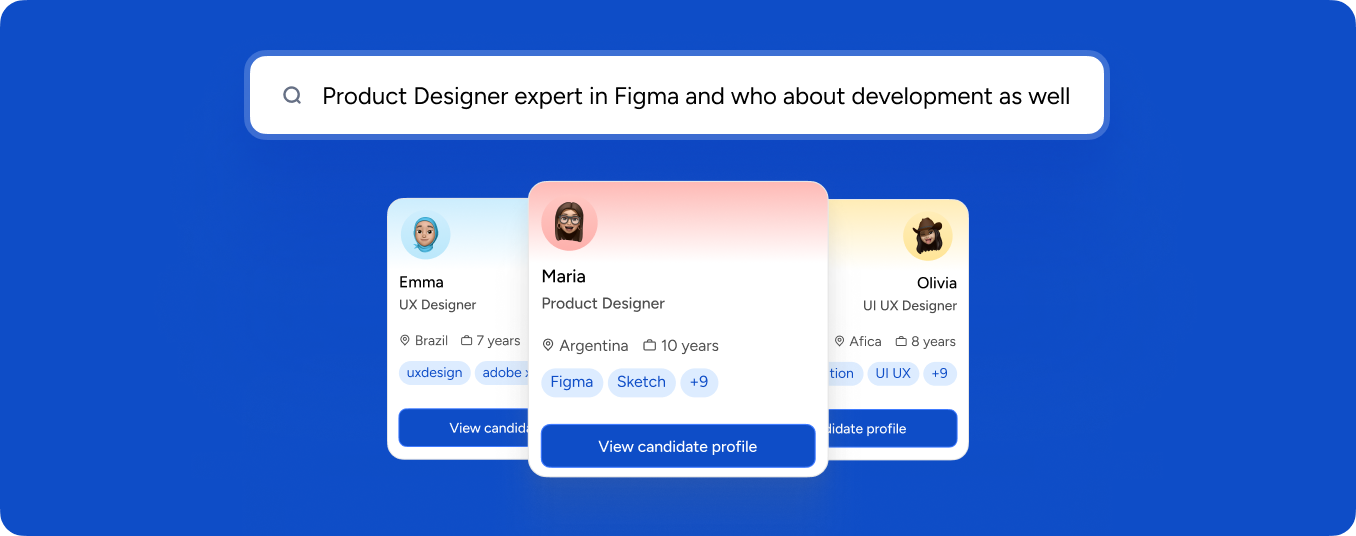
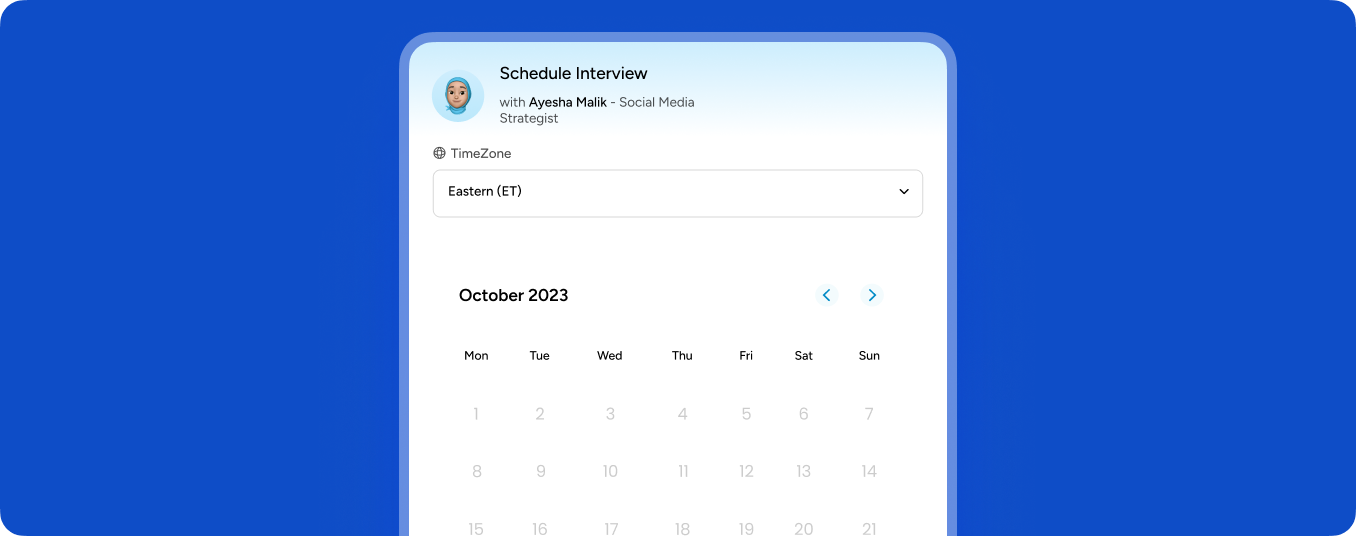
See their work and rates, message the ones worth talking to, and hire without a recruiter in the middle.










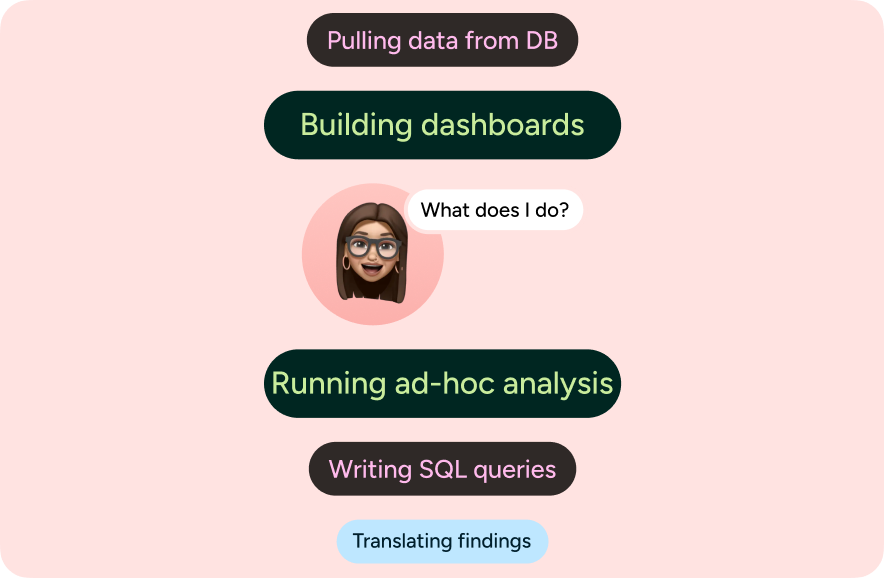
They turn the data your business generates into the answers the team needs to make better decisions. Day to day that means:
Pulling data from your databases, product analytics, ad platforms, and CRM and getting it into one place
Building dashboards that show what's happening without anyone having to ask
Running ad-hoc analyses when a specific question comes up: why are conversions dropping, which channel is actually driving revenue, where are customers churning
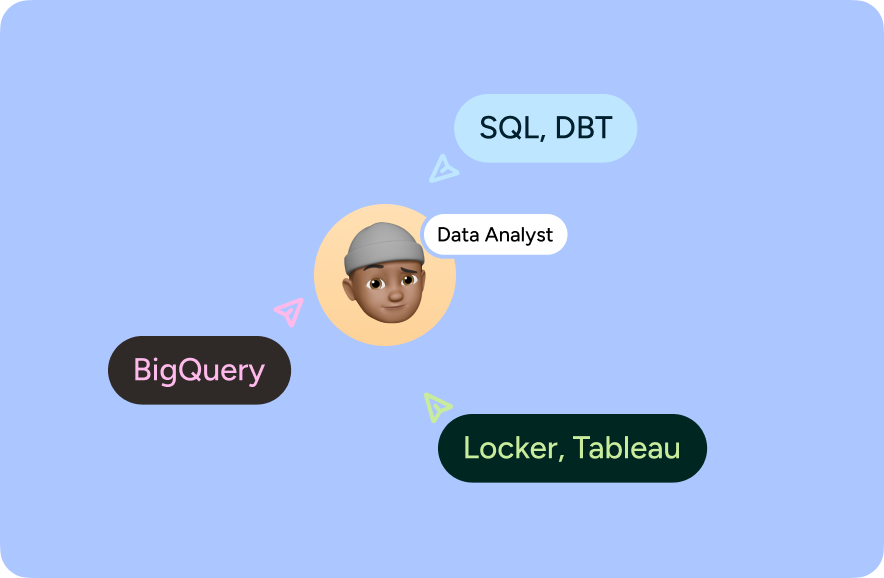
Writing SQL queries against your data warehouse, often the most common task
Translating findings into recommendations that non-technical stakeholders can act on
A strong data analyst is part detective, part communicator. They can find a signal in messy data, but more importantly they can explain what it means in plain words and what to do about it. Most companies hire one when their leadership team is making decisions on instinct because nobody has time to actually look at the numbers.
The tell is whether they can talk about a specific analysis that changed a decision. A weak one talks about reports they built. A strong one tells you what was decided differently because of the analysis. When you interview, look for:
SQL proficiency at a serious level. Most of this job is SQL
Comfort presenting findings to non-technical stakeholders without dumbing them down
A point of view on data quality. The good ones spend real time on the unglamorous work of making sure the data is right
Avoid anyone whose work is all dashboards and no decisions.
One flat $1,999 placement fee when you hire, whatever the rate. No percentage of salary.
Get StartedDescribe the role like you'd say it out loud. Get matched in under a minute.
| Hiring locally | Job boards | Traditional recruiter | Scout OS | |
|---|---|---|---|---|
| Cost | $90k–$130k/yr salary | Free to post, costly in time | 15–30% of salary, $15k–$30k on a $100k hire | $99/mo + $1,999 flat |
| Time to shortlist | Weeks | Days of sorting | 1–4 weeks | Under a minute |
| Who vets | You | Nobody | The recruiter | Done. ~1 in 300 makes it on |
| Who picks | You | You | The agency | You |
| If it fails | You eat it | Start over | Sometimes a replacement | Next placement free |
| Lock-in | Full salary | None | Retainer or contract | Cancel anytime |
A recruiter's fee scales with the salary, so the better the hire, the more it costs you. On Scout OS it's flat. $1,999 is $1,999 whether the person earns $40,000 or $120,000.
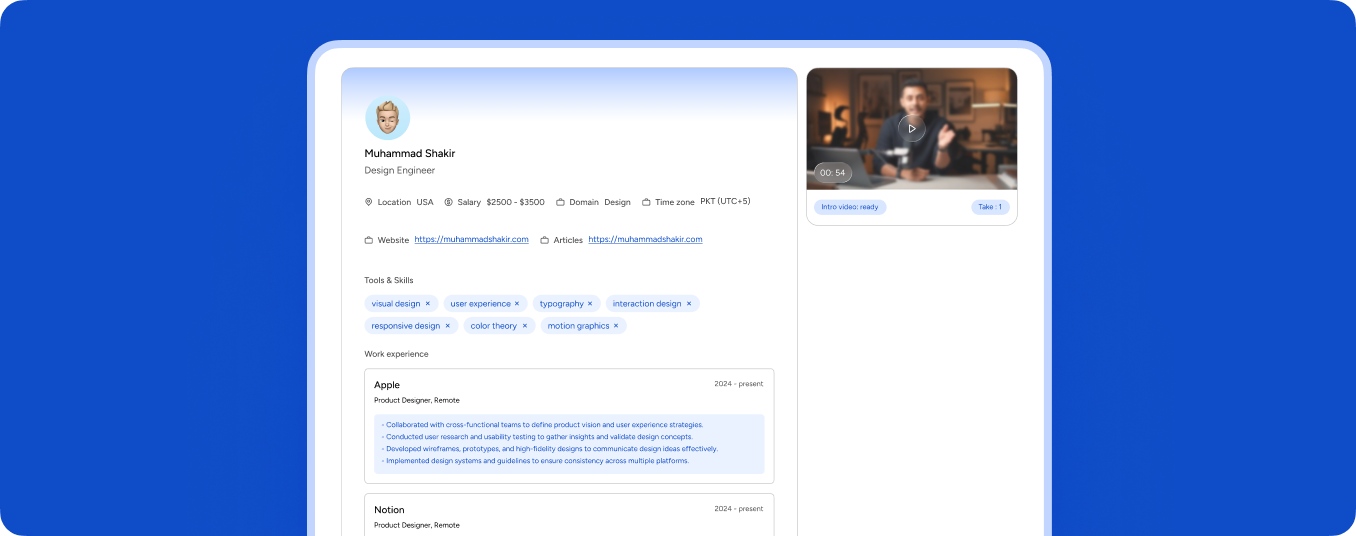
Because you see the actual person, their work, and their rate before you talk to anyone — no blind trust in a recruiter's shortlist.
Every profile goes through skills verification and reference checks before it’s searchable. Roughly 1 in 300 applicants makes it onto the platform.
LATAM, Africa, South Asia, and Europe are all searchable and filterable right on the platform.
Your next placement is free — no separate agency fee, no starting the search over from zero.
Everything you need to onboard and pay your hire compliantly is included once you place them.
$100/mo for full access to profiles and messaging, plus a flat $1,999 placement fee when you hire — no percentage of salary.
Search and get matched in under a minute. Most teams shortlist and interview within a week.