

Vraj
Software Engineer Intern
Top Skills
API Development & IntegrationPythonJavaScript/TypeScript

See their work and rates, message the ones worth talking to, and hire without a recruiter in the middle.










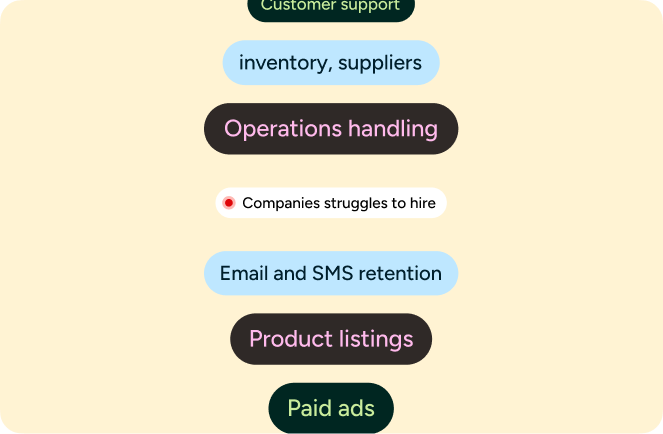
The work that piles up in engineering is rarely the work the founder wants to do. The usual gaps:
Full-stack engineers who ship features and fix bugs without needing everything spelled out
Frontend developers who turn designs into fast, responsive interfaces
Backend and API work built to scale, not just to demo
DevOps and infrastructure kept stable, deployed, and monitored
QA so releases do not break in production the week after they ship
Most teams try to cover all of this with one overloaded developer, until the backlog and the on-call both catch up with them.
Engineering is one of the easiest functions to hire remote for, because the work already lives entirely on a screen.
Code, reviews, deploys, and standups all happen in the same tools whether the engineer is down the hall or across the world
Timezone spread is an advantage — bugs get fixed and builds run while you sleep
The engineers who have done it before have shipped for teams like yours, on GitHub, AWS, and Docker, the same stack you already run
If you have assumed engineering has to sit together in one room, the opposite is usually true. The best distributed teams ship as fast as co-located ones, on the same tools.

Most teams build their engineering org from some mix of these. Each links to live candidates.
Describe the role like you'd say it out loud. Get matched in under a minute.
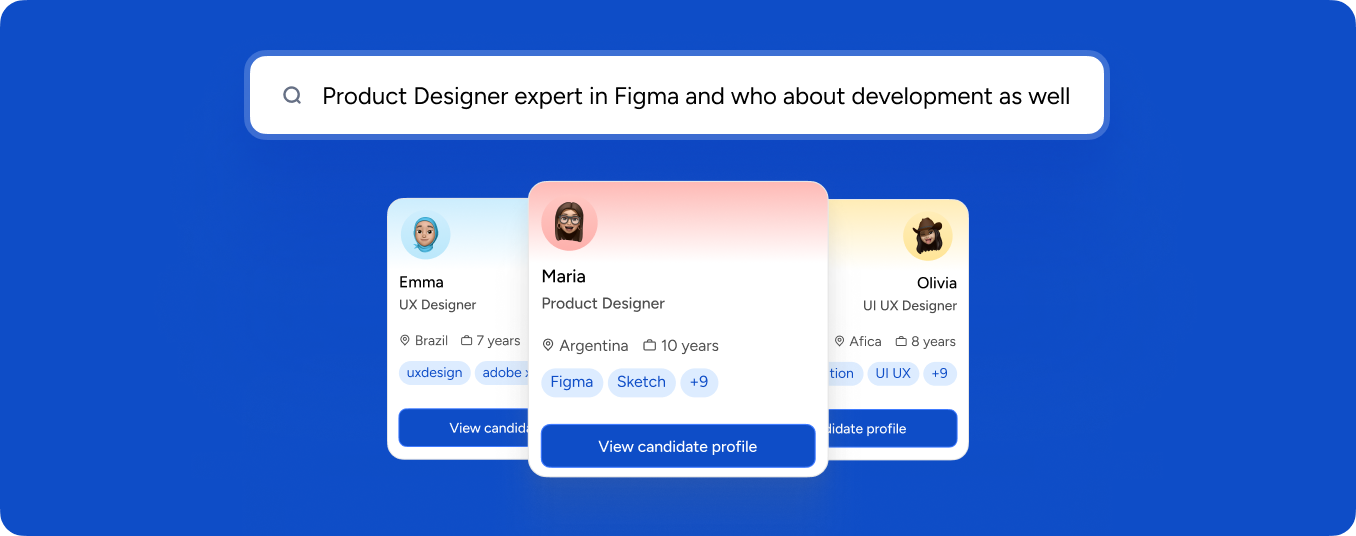
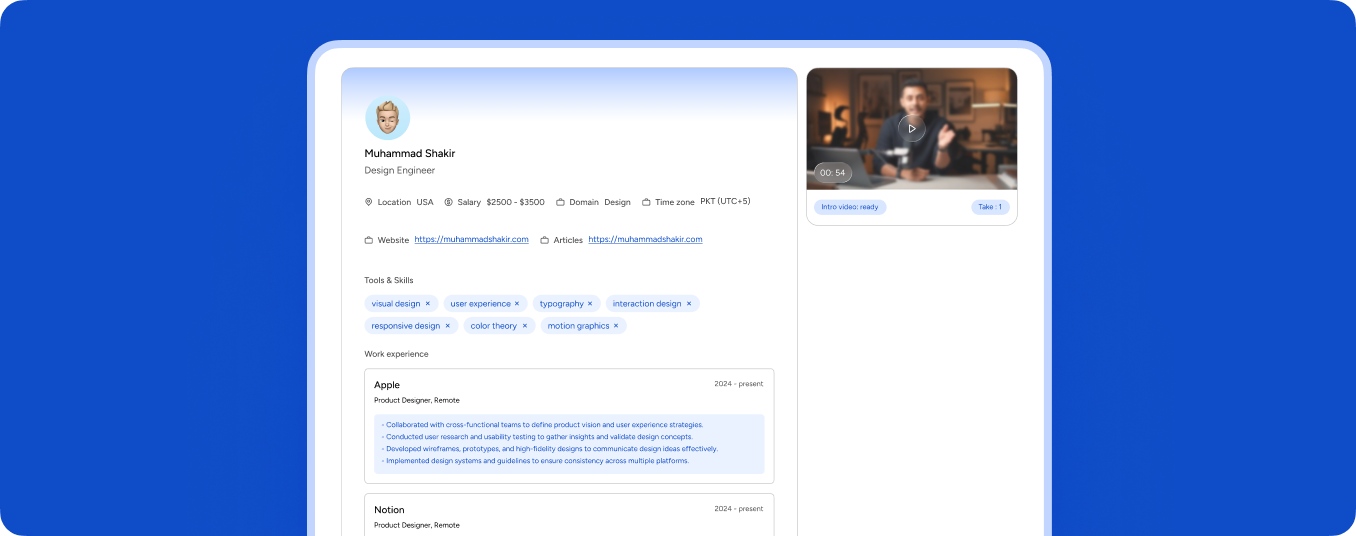
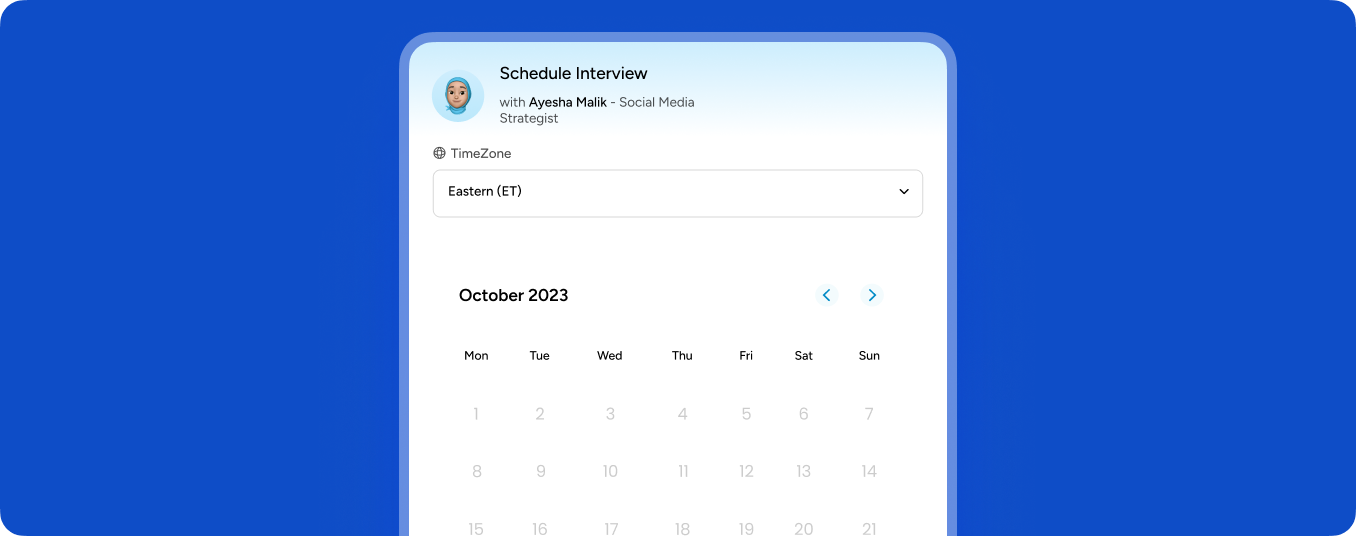
Searching is free. To unlock full profiles and message candidates, it's $100 a month. The $1,999 placement fee only applies the day you actually hire someone. No retainer, no contract, cancel anytime.
Get Started| Hiring locally | Job boards | Traditional recruiter | Scout OS | |
|---|---|---|---|---|
| Cost | $90k–$130k/yr salary | Free to post, costly in time | 15–30% of salary, $15k–$30k on a $100k hire | $99/mo + $1,999 flat |
| Time to shortlist | Weeks | Days of sorting | 1–4 weeks | Under a minute |
| Who vets | You | Nobody | The recruiter | Done. ~1 in 300 makes it on |
| Who picks | You | You | The agency | You |
| If it fails | You eat it | Start over | Sometimes a replacement | Next placement free |
| Lock-in | Full salary | None | Retainer or contract | Cancel anytime |
A recruiter's fee scales with the salary, so the better the hire, the more it costs you. On Scout OS it's flat. $1,999 is $1,999 whether the person earns $40,000 or $120,000.
Pavago candidates are pre-vetted before you ever see a profile, so you're not sorting through a job board. You see real work samples, rates, and message directly, no recruiter middleman slowing things down.
Every candidate goes through a skills review, portfolio check, and reference verification before appearing in the pool. Roughly 1 in 300 applicants makes it through.
Our talent pool spans LATAM, Africa, South Asia, and Europe. You can filter by region when searching.
Your next placement is free. No retainer, no contract, cancel anytime.
Pavago handles compliant contracts so you don't have to set up entities in every country you hire in.
Browsing and searching is free. Full profiles and messaging are $100/mo, and a flat $1,999 placement fee applies only when you hire.
Most searches surface a matched shortlist in under a minute. Interviews and offers typically happen within days, not weeks.