

Mounica
AI Product Engineer
Top Skills
Team Collaboration and OwnershipAI/LLM EngineeringBackend Development

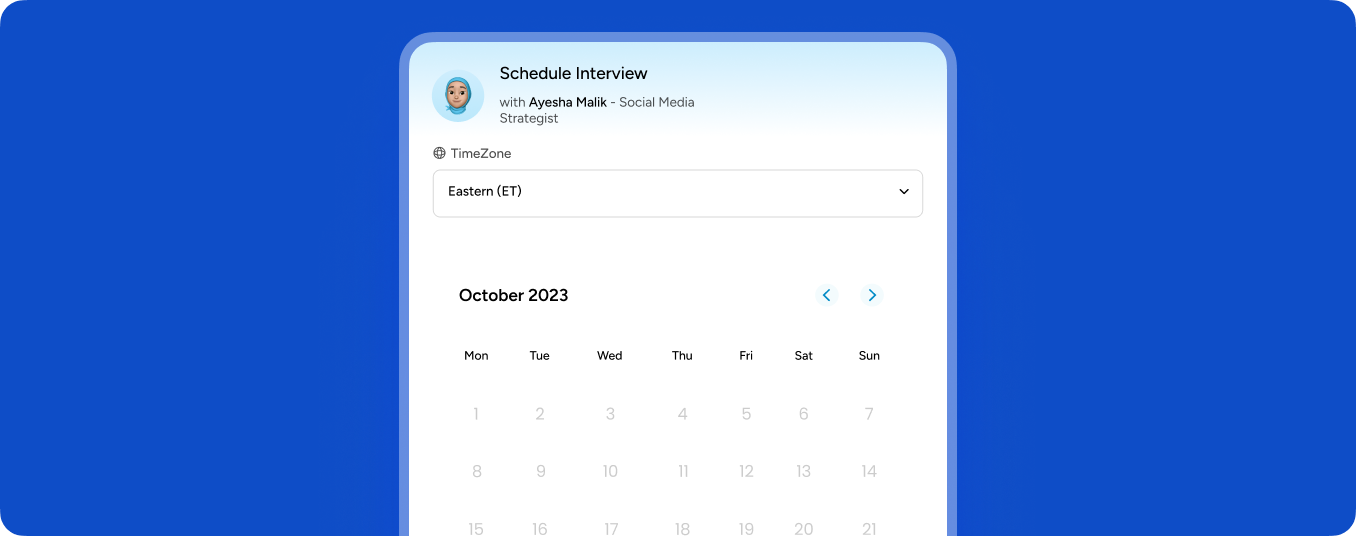
See their work and rates, message the ones worth talking to, and hire without a recruiter in the middle.










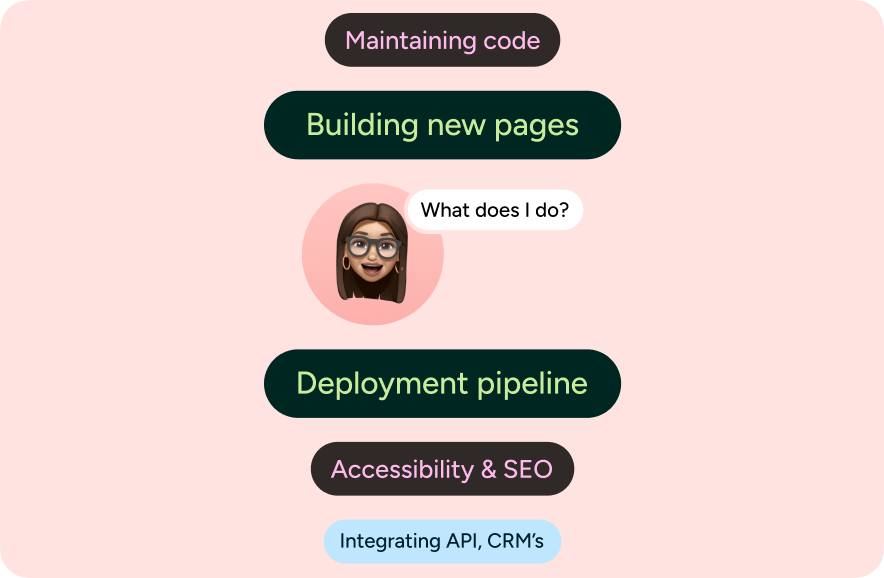
They build and maintain the websites and web applications that customers interact with. An offshore web developer typically covers:
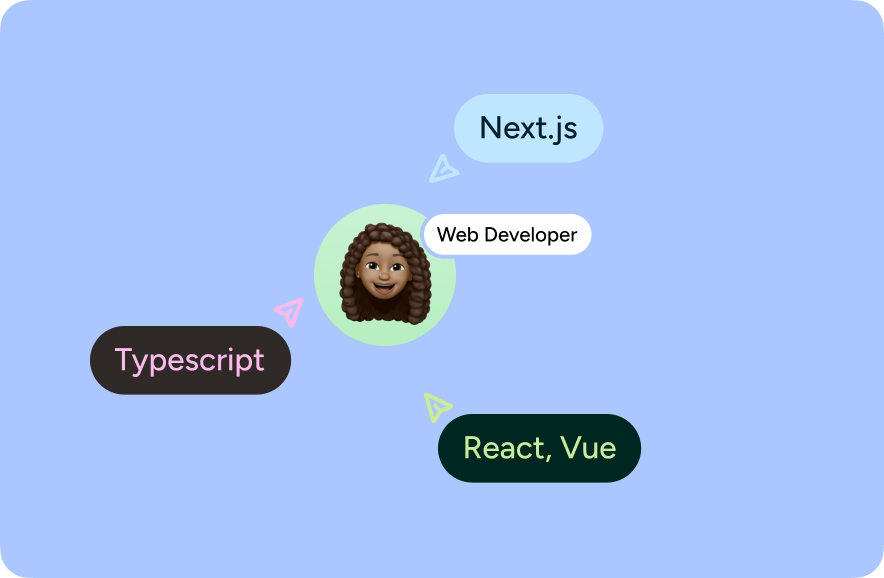
Building new pages and features from designs or specs, using React, Vue, Next.js, or whatever your stack is
Maintaining existing code, fixing bugs, and handling the small requests that pile up across the marketing site, blog, and any internal tools
Integrating with APIs, CRMs, payment processors, and the third-party services your product depends on
Setting up the deployment pipeline, environment configs, and the unglamorous infrastructure that keeps things from breaking
Caring about page speed, accessibility, and the SEO basics that a marketing team would otherwise have to nag about
A strong web developer writes code that the next person can read and ships features without leaving a trail of bugs behind. Most companies hire one when their marketing site has become a maintenance burden or when an internal tool needs more attention than the product team can spare.
The tell is how they talk about code they've shipped. A strong one can walk you through a specific feature, what they built, what tradeoffs they made, and what they'd do differently now. When you interview, look for:
A live site or repo they can show you. Not just job titles
Comfort with your specific stack. A React developer is not automatically going to be productive in Vue, and vice versa
A sense of what's worth fighting for in code review. The right answer to 'what was a hard tradeoff' is specific, not philosophical
Avoid anyone who can't talk through code they wrote without it sounding rehearsed.
One flat $1,999 placement fee when you hire, whatever the rate. No percentage of salary.
Get StartedDescribe the role like you'd say it out loud. Get matched in under a minute.
| Hiring locally | Job boards | Traditional recruiter | Scout OS | |
|---|---|---|---|---|
| Cost | $90k–$130k/yr salary | Free to post, costly in time | 15–30% of salary, $15k–$30k on a $100k hire | $99/mo + $1,999 flat |
| Time to shortlist | Weeks | Days of sorting | 1–4 weeks | Under a minute |
| Who vets | You | Nobody | The recruiter | Done. ~1 in 300 makes it on |
| Who picks | You | You | The agency | You |
| If it fails | You eat it | Start over | Sometimes a replacement | Next placement free |
| Lock-in | Full salary | None | Retainer or contract | Cancel anytime |
A recruiter's fee scales with the salary, so the better the hire, the more it costs you. On Scout OS it's flat. $1,999 is $1,999 whether the person earns $40,000 or $120,000.
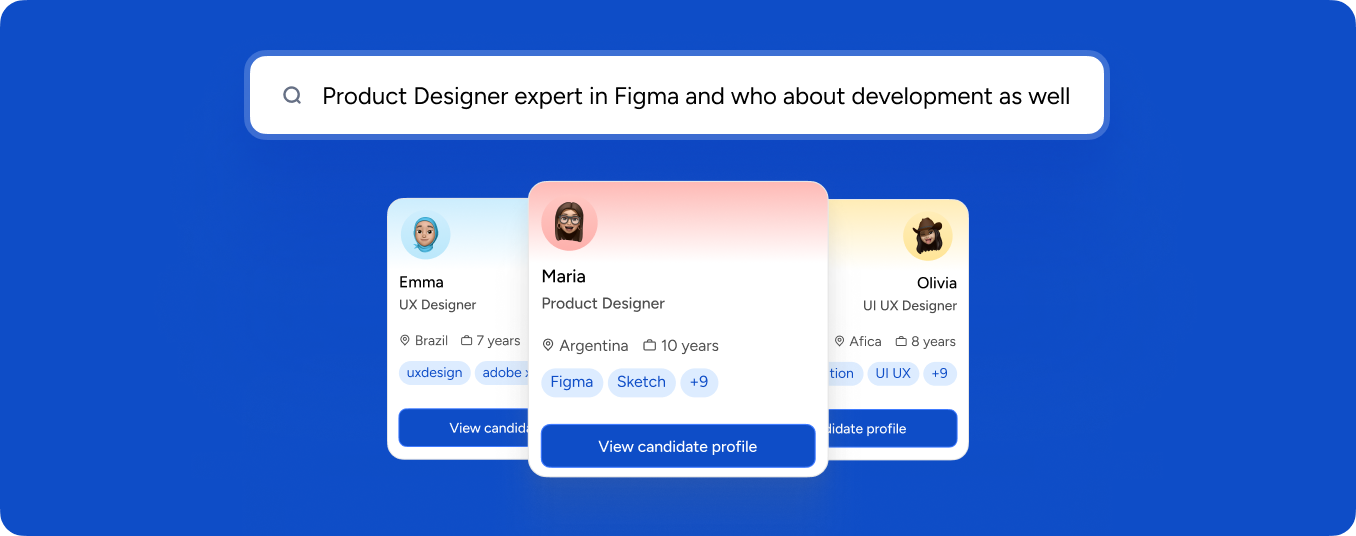
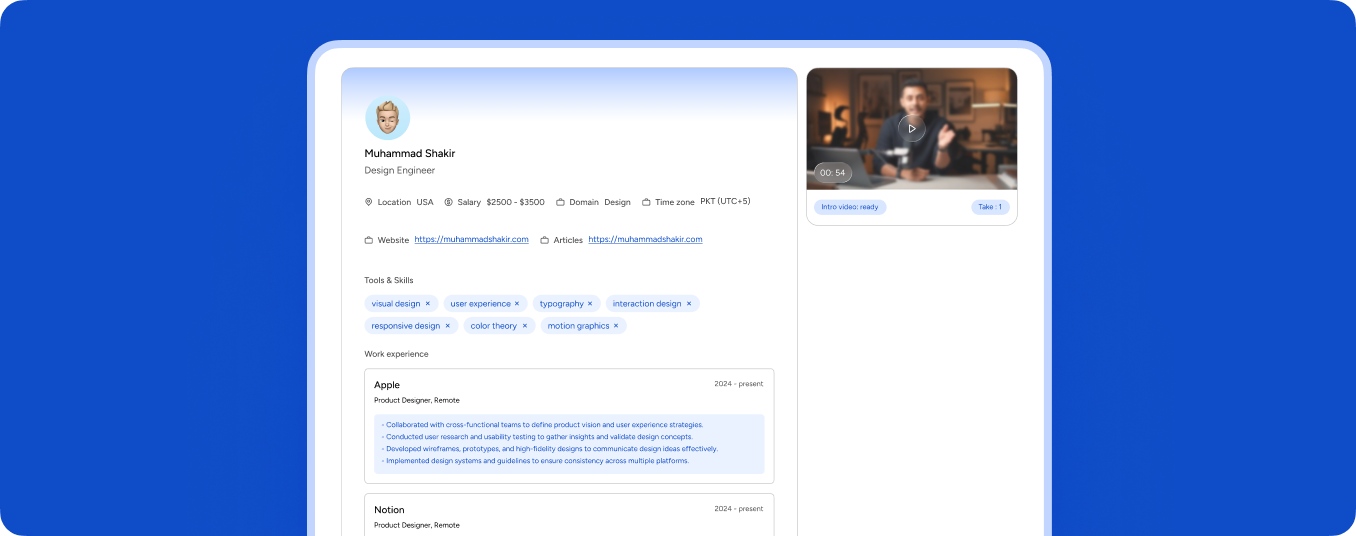
Because you see the actual person, their work, and their rate before you talk to anyone — no blind trust in a recruiter's shortlist.
Every profile goes through skills verification and reference checks before it’s searchable. Roughly 1 in 300 applicants makes it onto the platform.
LATAM, Africa, South Asia, and Europe are all searchable and filterable right on the platform.
Your next placement is free — no separate agency fee, no starting the search over from zero.
Everything you need to onboard and pay your hire compliantly is included once you place them.
$100/mo for full access to profiles and messaging, plus a flat $1,999 placement fee when you hire — no percentage of salary.
Search and get matched in under a minute. Most teams shortlist and interview within a week.