

Silas
Product Designer
Top Skills
UX DesignFigmaDesign Systems

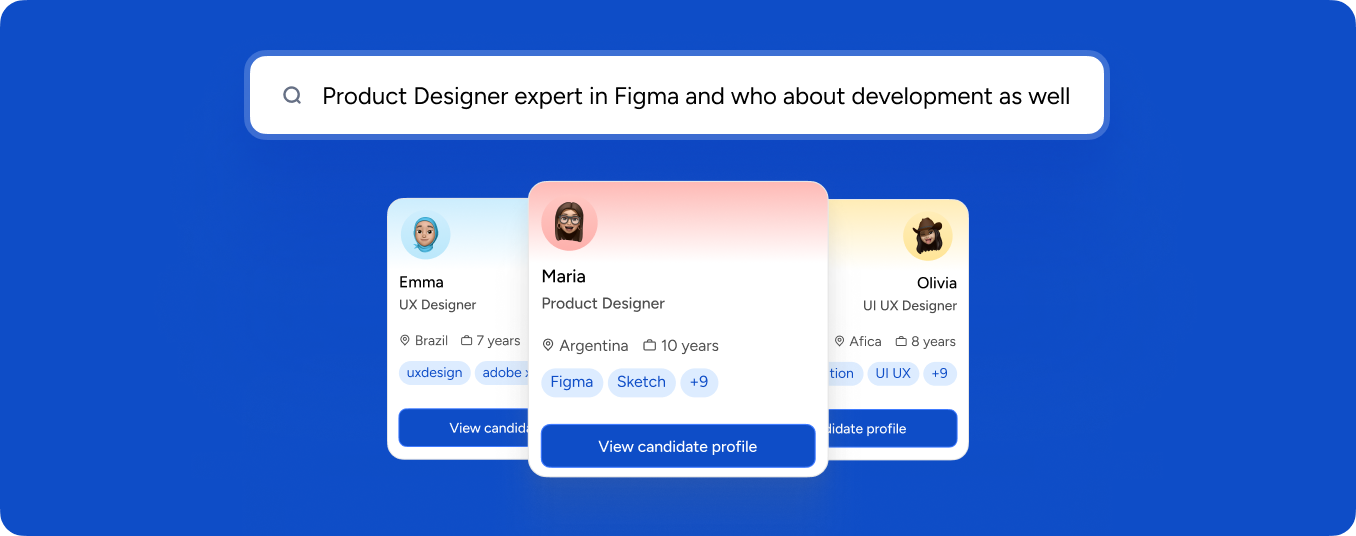
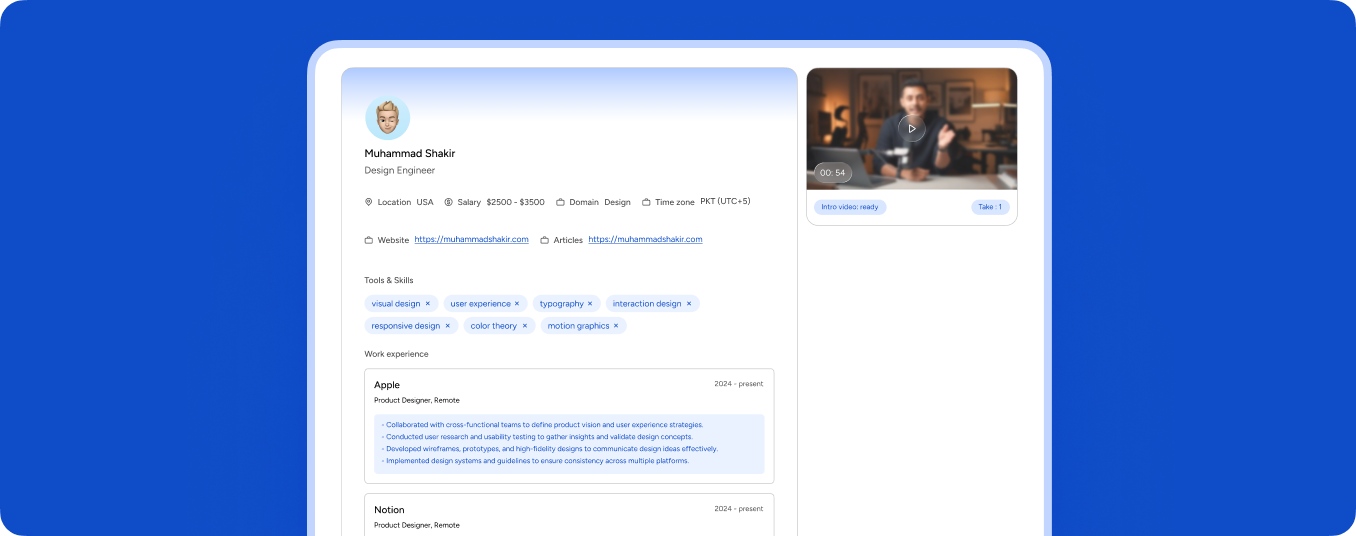
See their work and rates, message the ones worth talking to, and hire without a recruiter in the middle.










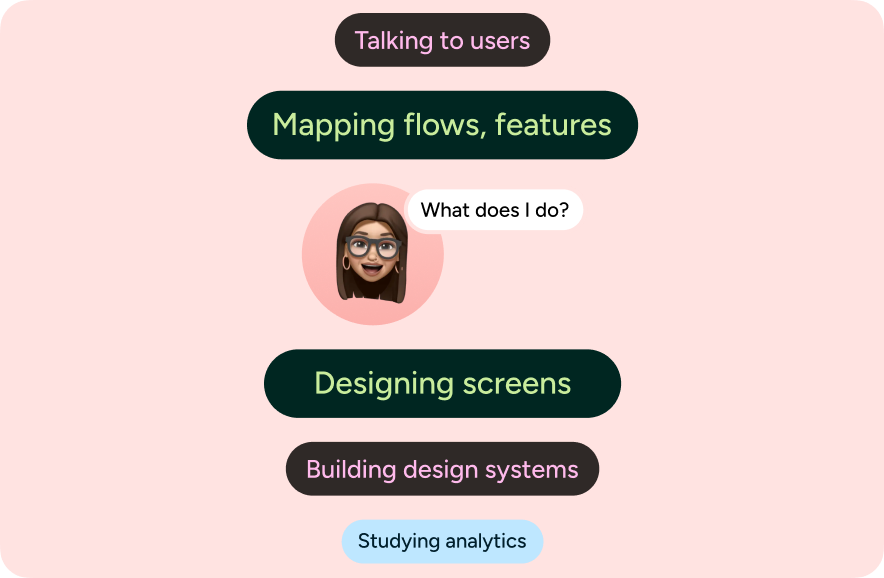
They design the interfaces and experiences that decide whether your users stick around or leave confused. Day to day that means:
Talking to users or studying analytics to figure out where the current product is breaking down
Mapping flows, wireframing, and prototyping new features before any code gets written
Designing the actual screens in Figma: layouts, components, interaction states
Building or extending the design system so the team isn't reinventing button styles every sprint
Working with engineering to make sure what got built matches what was designed, and adjusting when constraints emerge
A strong UI/UX designer thinks about the whole user journey, not just the screen they're decorating. They can tell you why they made a choice and what they'd change if the conversion data came in different. Most companies hire one when their product has grown organically into a UX that frustrates users and they realize that polish isn't optional anymore.
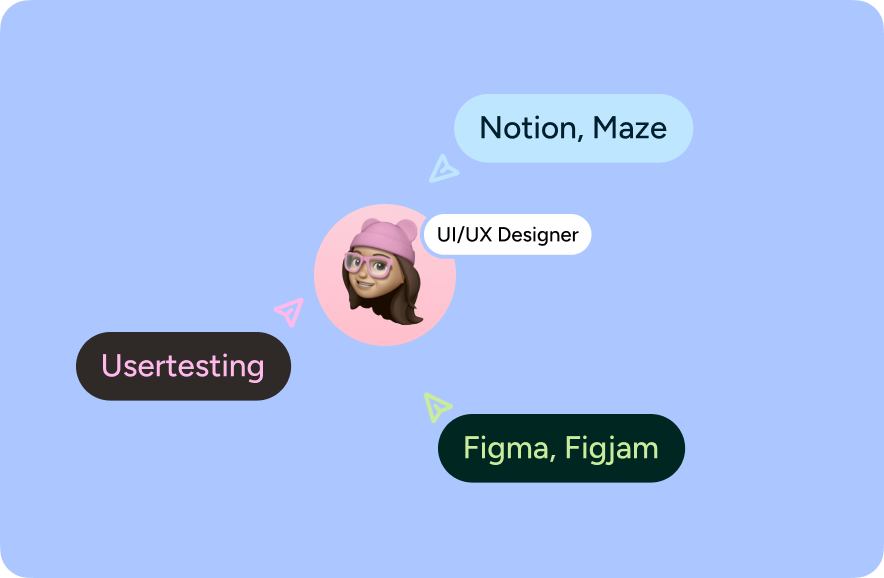
The tell is how they walk through their portfolio. A strong one tells you the problem first, then the design, then what the data showed after. A weak one walks you through screens without context. When you interview, look for:
A case study where they did real user research and the design changed because of what they learned
Comfort with engineering constraints. A designer who treats handoff as someone else's problem creates rework downstream
A point of view on accessibility and inclusive design that isn't just lip service
Avoid anyone whose portfolio is all visual polish and no problem framing.
One flat $1,999 placement fee when you hire, whatever the rate. No percentage of salary.
Get StartedDescribe the role like you'd say it out loud. Get matched in under a minute.
| Hiring locally | Job boards | Traditional recruiter | Scout OS | |
|---|---|---|---|---|
| Cost | $90k–$130k/yr salary | Free to post, costly in time | 15–30% of salary, $15k–$30k on a $100k hire | $99/mo + $1,999 flat |
| Time to shortlist | Weeks | Days of sorting | 1–4 weeks | Under a minute |
| Who vets | You | Nobody | The recruiter | Done. ~1 in 300 makes it on |
| Who picks | You | You | The agency | You |
| If it fails | You eat it | Start over | Sometimes a replacement | Next placement free |
| Lock-in | Full salary | None | Retainer or contract | Cancel anytime |
A recruiter's fee scales with the salary, so the better the hire, the more it costs you. On Scout OS it's flat. $1,999 is $1,999 whether the person earns $40,000 or $120,000.
Because you see the actual person, their work, and their rate before you talk to anyone — no blind trust in a recruiter's shortlist.
Every profile goes through skills verification and reference checks before it’s searchable. Roughly 1 in 300 applicants makes it onto the platform.
LATAM, Africa, South Asia, and Europe are all searchable and filterable right on the platform.
Your next placement is free — no separate agency fee, no starting the search over from zero.
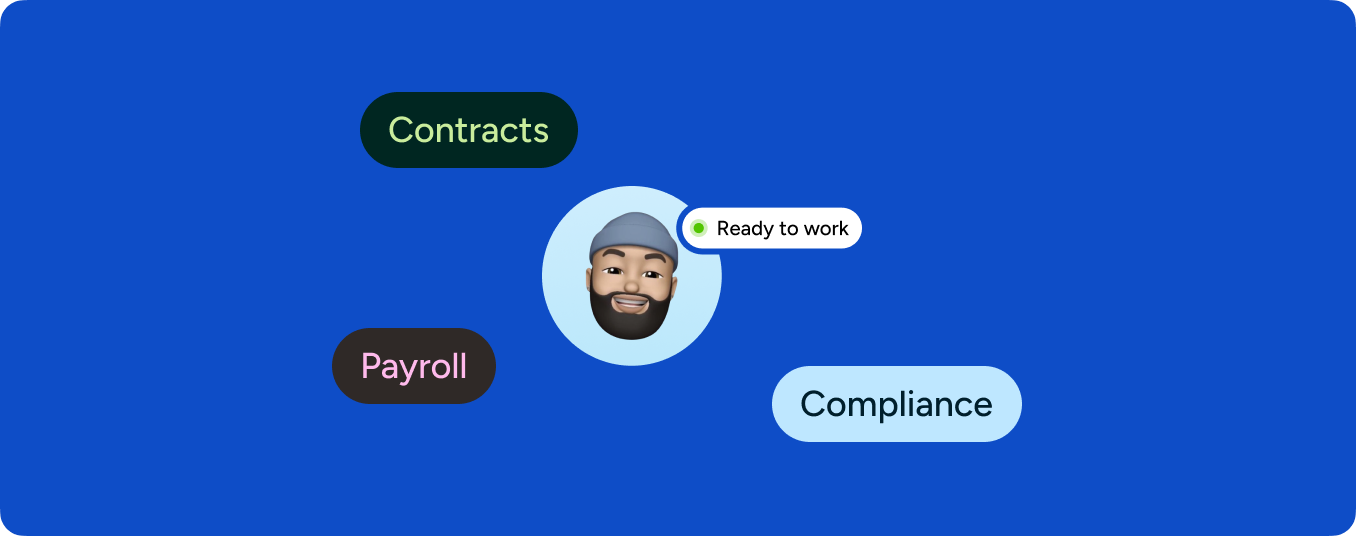
Everything you need to onboard and pay your hire compliantly is included once you place them.
$100/mo for full access to profiles and messaging, plus a flat $1,999 placement fee when you hire — no percentage of salary.
Search and get matched in under a minute. Most teams shortlist and interview within a week.