

Sitti
Product Management Associate
Top Skills
Microsoft OfficeGoogle WorkspaceProject Management Tools

See their work and rates, message the ones worth talking to, and hire without a recruiter in the middle.










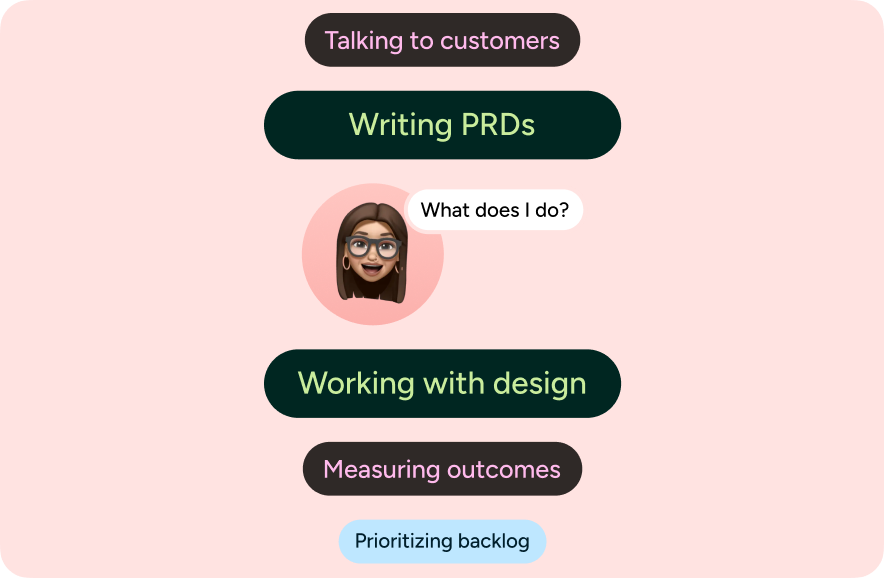
They figure out what's worth building, get it built, and measure whether it actually worked. Day to day that means:
Talking to customers, sales, and support to understand where the product is falling short
Writing specs, PRDs, or whatever your team calls them, with enough detail that engineering can actually estimate and build
Prioritizing the backlog against actual goals, saying no to most requests, and explaining why
Working with design, engineering, and stakeholders to ship features on a schedule the business can plan around
Measuring outcomes after launch and feeding what was learned back into the next sprint
A strong product manager balances customer pull, business need, and technical reality without flinching when those three pull in different directions. They make decisions when the data is incomplete, which is most of the time. Most companies hire a PM when engineering is shipping fast but nobody's sure what they're shipping is moving the metrics that matter.
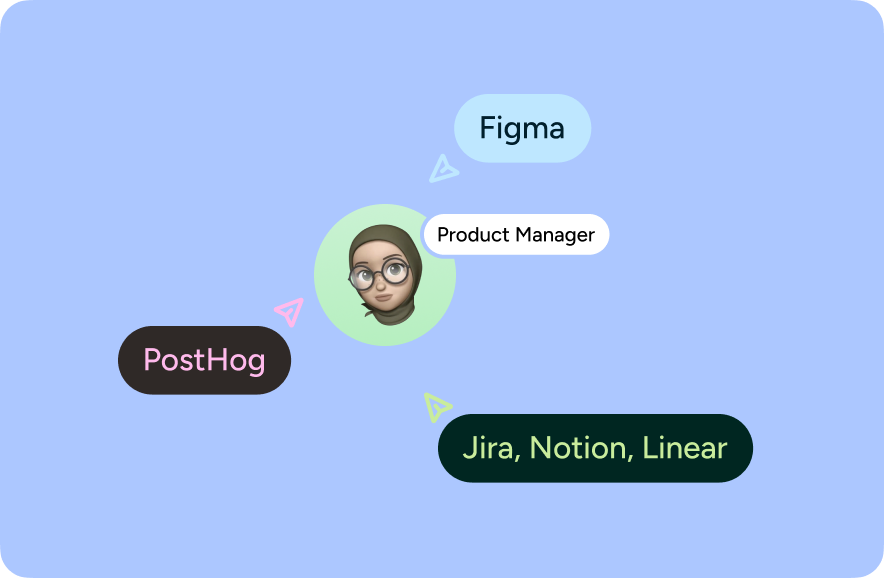
The tell is whether they can talk about a product decision they got wrong. A strong one tells you what they shipped, what they learned, and what they'd do differently. When you interview, look for:
Specific features they owned from idea to launch, with the metric they were targeting and the result
Comfort working without authority. PMs influence more than they direct, and the good ones know how
A point of view on roadmap planning and prioritization that isn't just a framework name
Avoid anyone who only talks about process and never about outcomes.
One flat $1,999 placement fee when you hire, whatever the rate. No percentage of salary.
Get StartedDescribe the role like you'd say it out loud. Get matched in under a minute.
| Hiring locally | Job boards | Traditional recruiter | Scout OS | |
|---|---|---|---|---|
| Cost | $90k–$130k/yr salary | Free to post, costly in time | 15–30% of salary, $15k–$30k on a $100k hire | $99/mo + $1,999 flat |
| Time to shortlist | Weeks | Days of sorting | 1–4 weeks | Under a minute |
| Who vets | You | Nobody | The recruiter | Done. ~1 in 300 makes it on |
| Who picks | You | You | The agency | You |
| If it fails | You eat it | Start over | Sometimes a replacement | Next placement free |
| Lock-in | Full salary | None | Retainer or contract | Cancel anytime |
A recruiter's fee scales with the salary, so the better the hire, the more it costs you. On Scout OS it's flat. $1,999 is $1,999 whether the person earns $40,000 or $120,000.
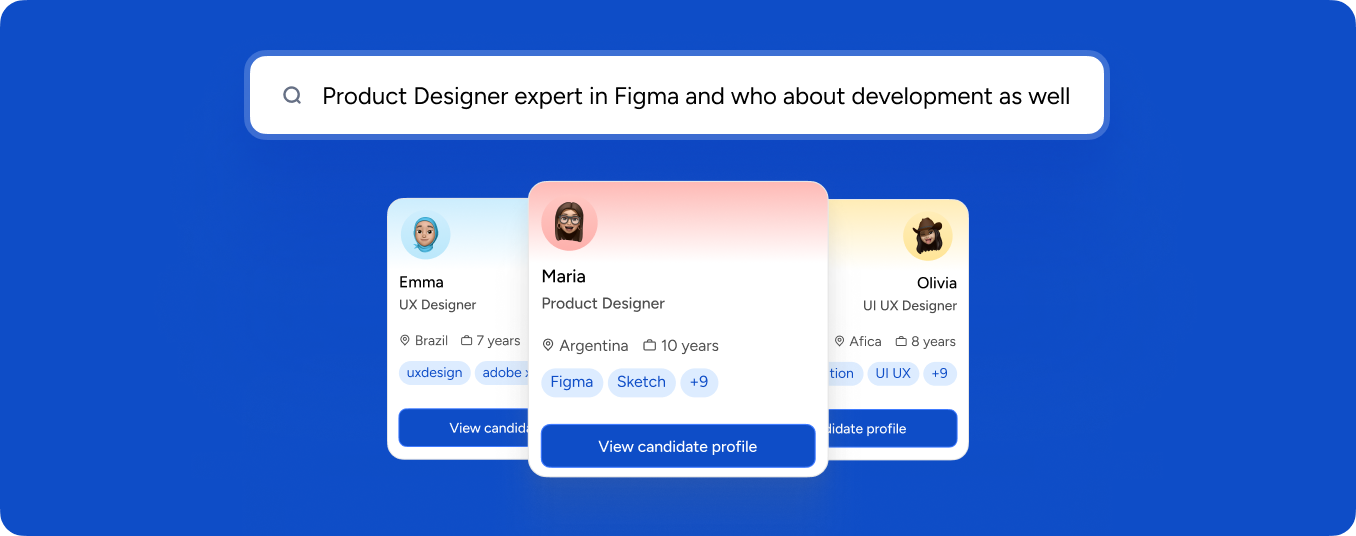
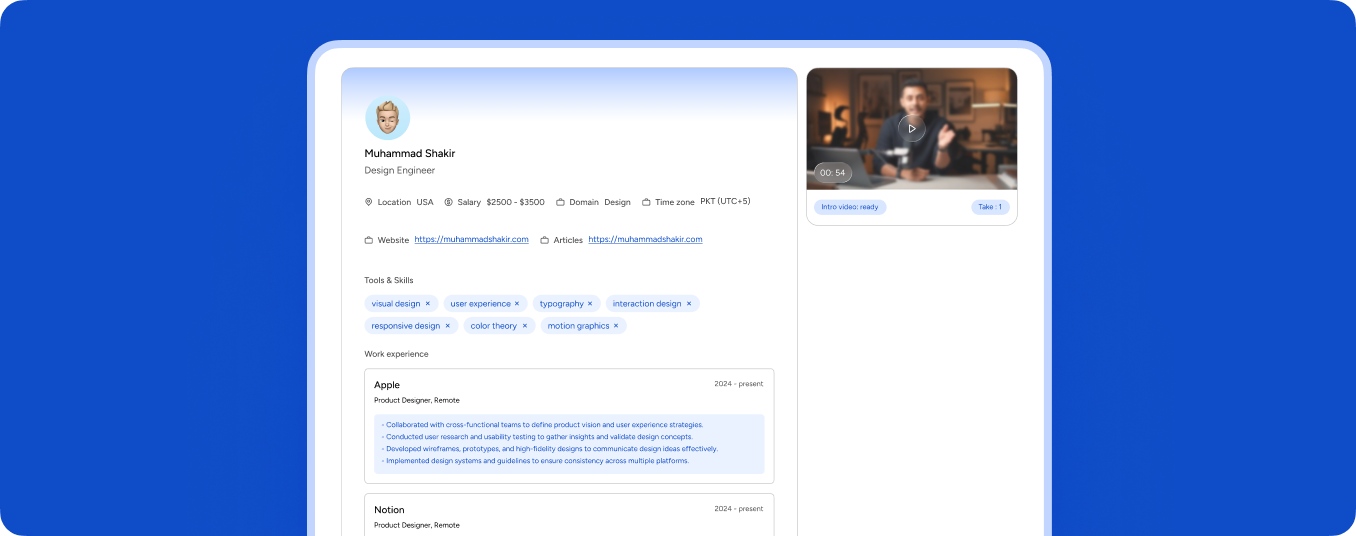
Because you see the actual person, their work, and their rate before you talk to anyone — no blind trust in a recruiter's shortlist.
Every profile goes through skills verification and reference checks before it’s searchable. Roughly 1 in 300 applicants makes it onto the platform.
LATAM, Africa, South Asia, and Europe are all searchable and filterable right on the platform.
Your next placement is free — no separate agency fee, no starting the search over from zero.
Everything you need to onboard and pay your hire compliantly is included once you place them.
$100/mo for full access to profiles and messaging, plus a flat $1,999 placement fee when you hire — no percentage of salary.
Search and get matched in under a minute. Most teams shortlist and interview within a week.