

Angus
Sales & Operations Lead
Top Skills
Sales Development (SDR/BDR)Outbound Prospecting & Inbound QualificationCold Calling & Cold Email Outreach

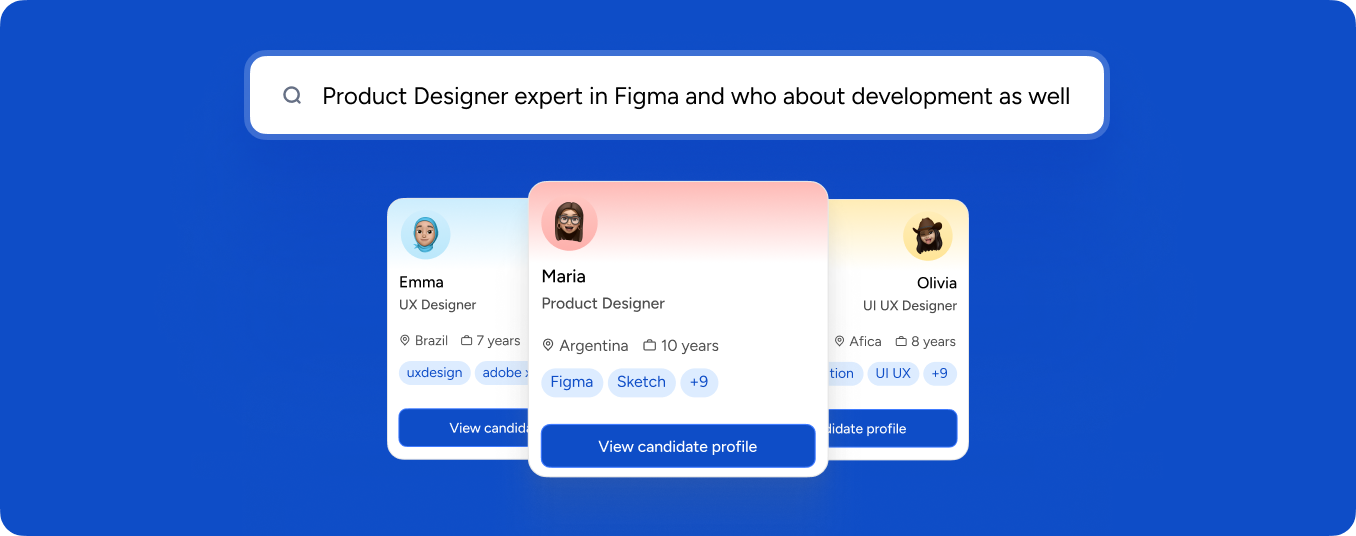
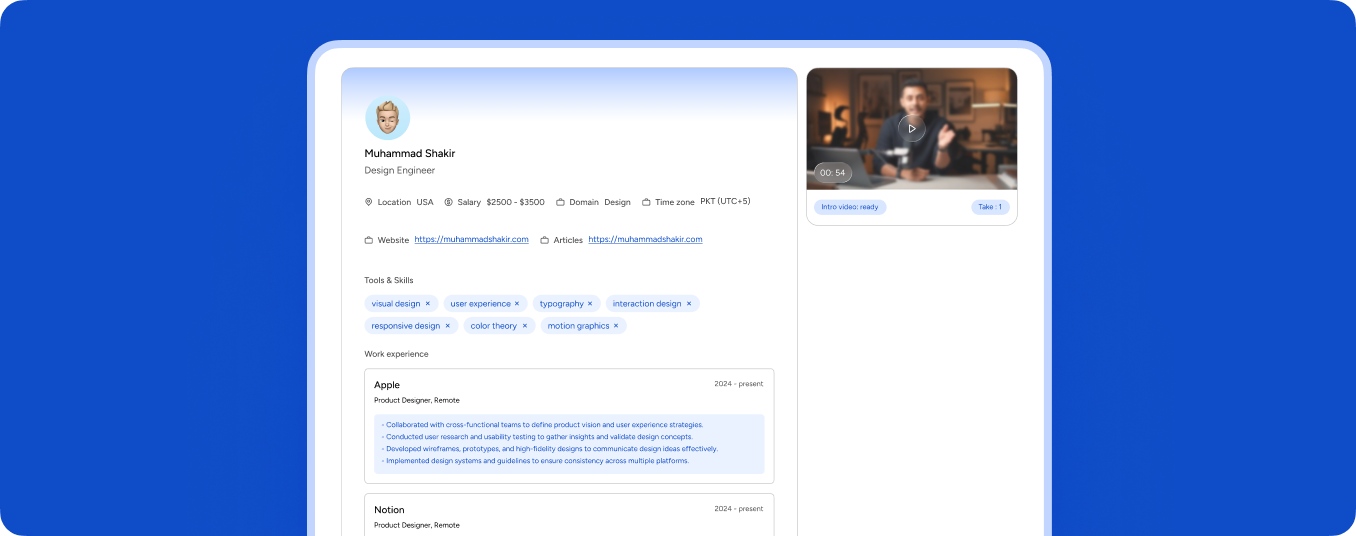
See their work and rates, message the ones worth talking to, and hire without a recruiter in the middle.










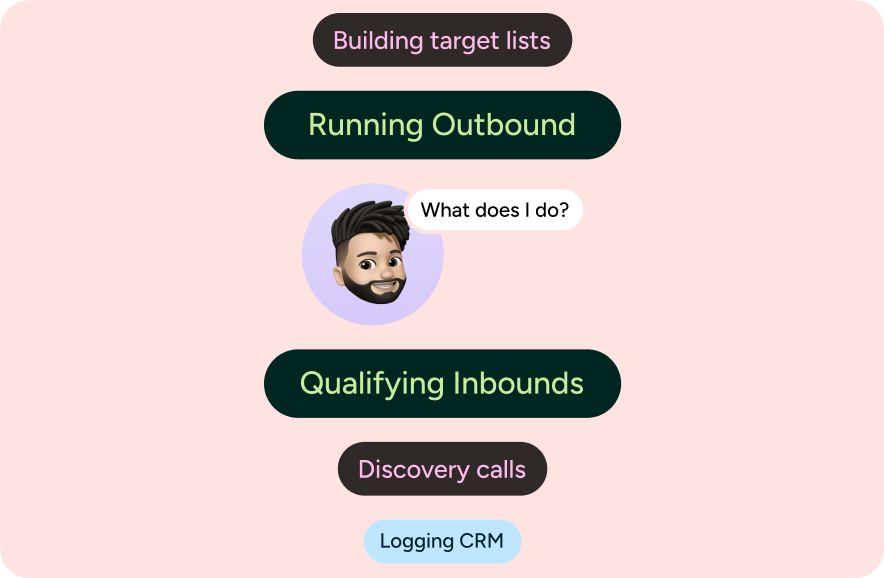
They handle the top of your sales funnel: finding the right accounts, opening conversations, and booking qualified meetings for closers. Day to day that means:
Building target lists from your ICP, using LinkedIn Sales Navigator, Apollo, or whatever stack you've set up
Running outbound sequences across email, LinkedIn, and phone, often three or four touches per prospect
Qualifying inbound leads coming through forms, demo requests, or content downloads
Booking discovery calls on the calendars of account executives and handing the context over cleanly
Logging everything in the CRM so the pipeline data is actually usable
A strong SDR works the math seriously. They know how many calls and emails it takes to book one meeting and how many meetings it takes to close one deal, and they push the input numbers when output dips. Most companies hire SDRs once their closers are stuck doing their own prospecting and the pipeline starts thinning.
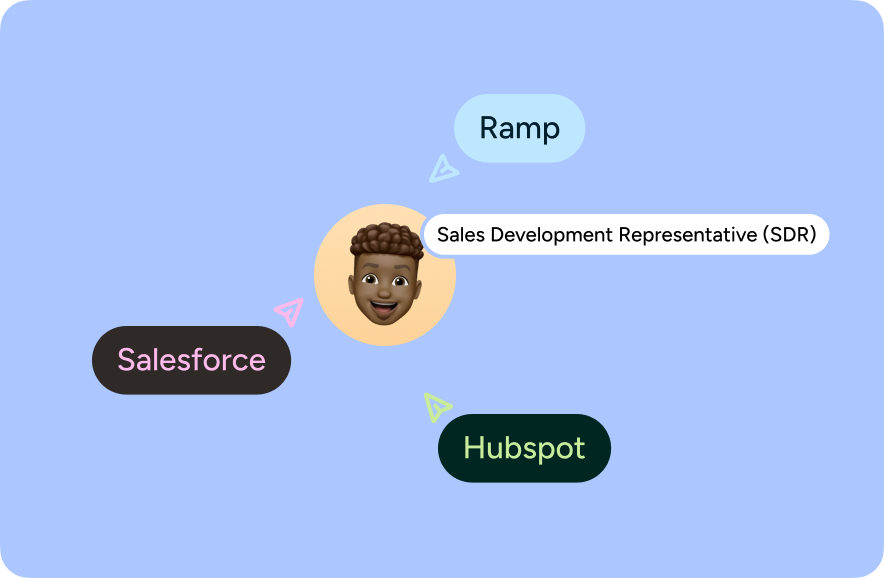
The tell is how they describe their best month versus their worst. A strong SDR tells you exactly what they changed between the two: messaging, target list, cadence, time of day. When you interview, look for:
Specific numbers: meetings booked, show rates, conversion to opportunity, ramp time from start to quota
Comfort being held to activity AND output metrics. Either alone is a red flag
A point of view on outbound versus inbound. Both matter, but they're different muscles
Avoid anyone whose answers stay abstract about what worked.
One flat $1,999 placement fee when you hire, whatever the rate. No percentage of salary.
Get StartedDescribe the role like you'd say it out loud. Get matched in under a minute.
| Hiring locally | Job boards | Traditional recruiter | Scout OS | |
|---|---|---|---|---|
| Cost | $90k–$130k/yr salary | Free to post, costly in time | 15–30% of salary, $15k–$30k on a $100k hire | $99/mo + $1,999 flat |
| Time to shortlist | Weeks | Days of sorting | 1–4 weeks | Under a minute |
| Who vets | You | Nobody | The recruiter | Done. ~1 in 300 makes it on |
| Who picks | You | You | The agency | You |
| If it fails | You eat it | Start over | Sometimes a replacement | Next placement free |
| Lock-in | Full salary | None | Retainer or contract | Cancel anytime |
A recruiter's fee scales with the salary, so the better the hire, the more it costs you. On Scout OS it's flat. $1,999 is $1,999 whether the person earns $40,000 or $120,000.
Because you see the actual person, their work, and their rate before you talk to anyone — no blind trust in a recruiter's shortlist.
Every profile goes through skills verification and reference checks before it’s searchable. Roughly 1 in 300 applicants makes it onto the platform.
LATAM, Africa, South Asia, and Europe are all searchable and filterable right on the platform.
Your next placement is free — no separate agency fee, no starting the search over from zero.
Everything you need to onboard and pay your hire compliantly is included once you place them.
$100/mo for full access to profiles and messaging, plus a flat $1,999 placement fee when you hire — no percentage of salary.
Search and get matched in under a minute. Most teams shortlist and interview within a week.