

Waqar
Founding Engineer
Top Skills
Full-stack DevelopmentAPI Design & Backend ArchitectureArtificial Intelligence

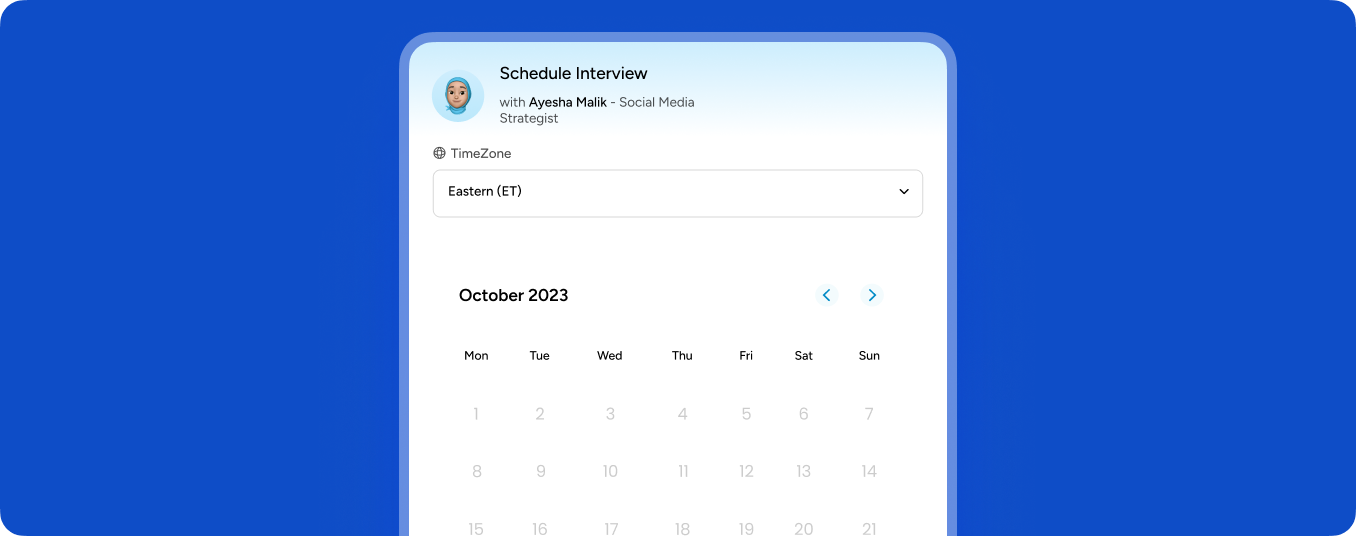
See their work and rates, message the ones worth talking to, and hire without a recruiter in the middle.










They build the systems that turn your AI use case from a prototype into something that actually runs in production. An offshore AI engineer typically covers:
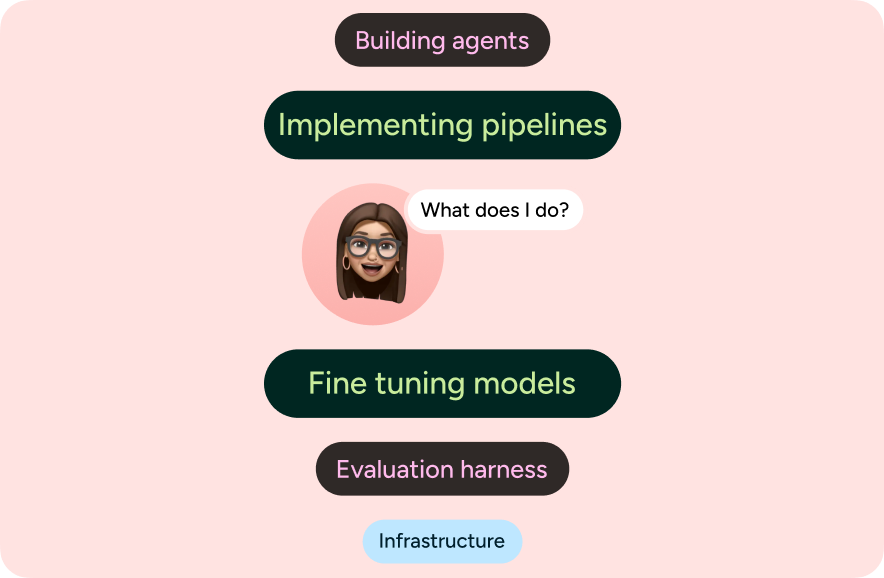
Designing and implementing pipelines for data ingestion, embedding, retrieval, and generation
Building agents, tools, and workflows on top of foundation models from OpenAI, Anthropic, or open-source alternatives
Fine-tuning models or using techniques like RAG to make a generic model useful for your specific data
Setting up evaluation harnesses so you can measure whether the model is actually getting better or worse
Handling the infrastructure side: deployment, monitoring, cost tracking, rate limits, fallbacks when an API goes down
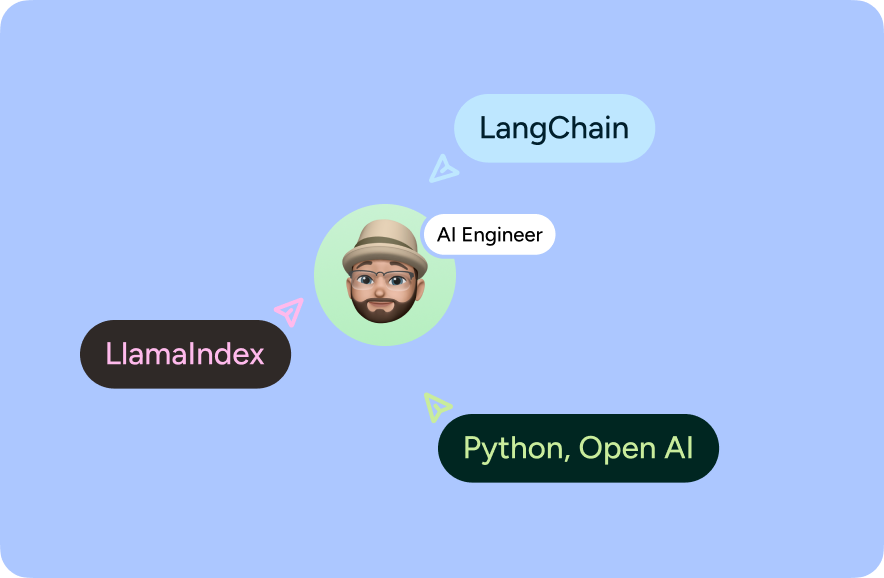
A strong AI engineer balances research curiosity with engineering discipline. They ship things that work in production, not just demos that look good on Twitter. Most companies hire an AI engineer once they've stopped wondering whether AI is real and started losing competitive ground to teams that have shipped real features.
The tell is how they talk about evaluation. A strong AI engineer obsesses about how to measure whether their system is working, because they know that 'looks pretty good' is a trap. When you interview, look for:
A specific system they built end-to-end with the architecture, the evaluation approach, and the production metrics
Comfort with both the model side and the engineering side. The good ones know how to handle a flaky API, retry logic, and cost optimization without you asking
Honesty about the limitations of current models. If they tell you AI can do everything, they haven't shipped much
Avoid anyone whose portfolio is all notebooks and no production systems.
One flat $1,999 placement fee when you hire, whatever the rate. No percentage of salary.
Get StartedDescribe the role like you'd say it out loud. Get matched in under a minute.
| Hiring locally | Job boards | Traditional recruiter | Scout OS | |
|---|---|---|---|---|
| Cost | $90k–$130k/yr salary | Free to post, costly in time | 15–30% of salary, $15k–$30k on a $100k hire | $99/mo + $1,999 flat |
| Time to shortlist | Weeks | Days of sorting | 1–4 weeks | Under a minute |
| Who vets | You | Nobody | The recruiter | Done. ~1 in 300 makes it on |
| Who picks | You | You | The agency | You |
| If it fails | You eat it | Start over | Sometimes a replacement | Next placement free |
| Lock-in | Full salary | None | Retainer or contract | Cancel anytime |
A recruiter's fee scales with the salary, so the better the hire, the more it costs you. On Scout OS it's flat. $1,999 is $1,999 whether the person earns $40,000 or $120,000.
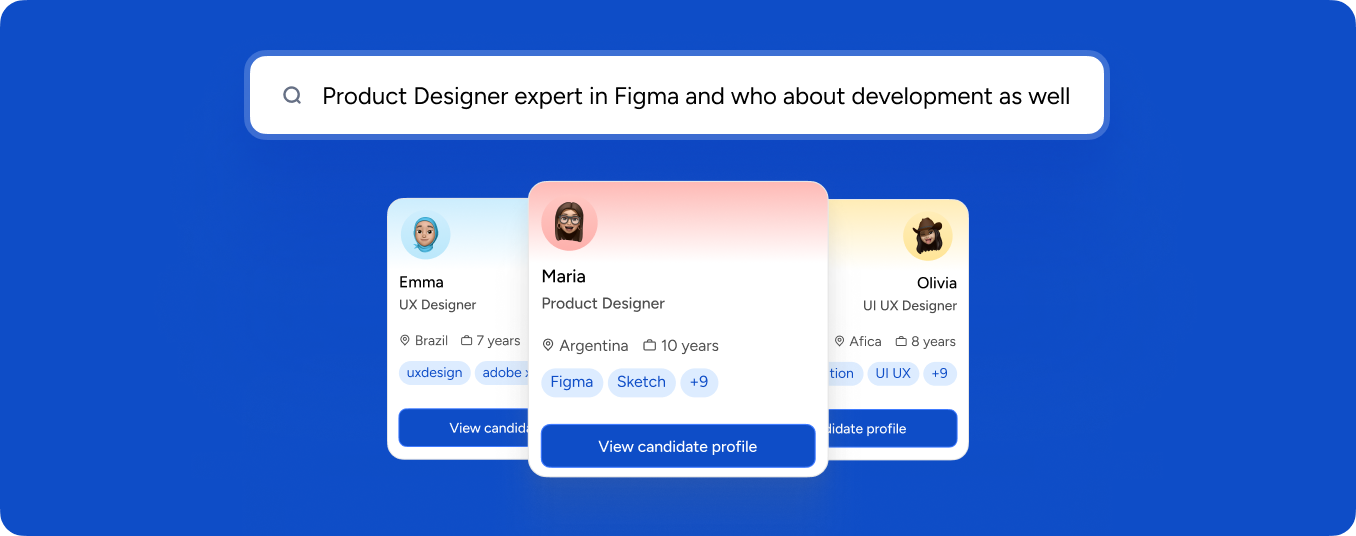
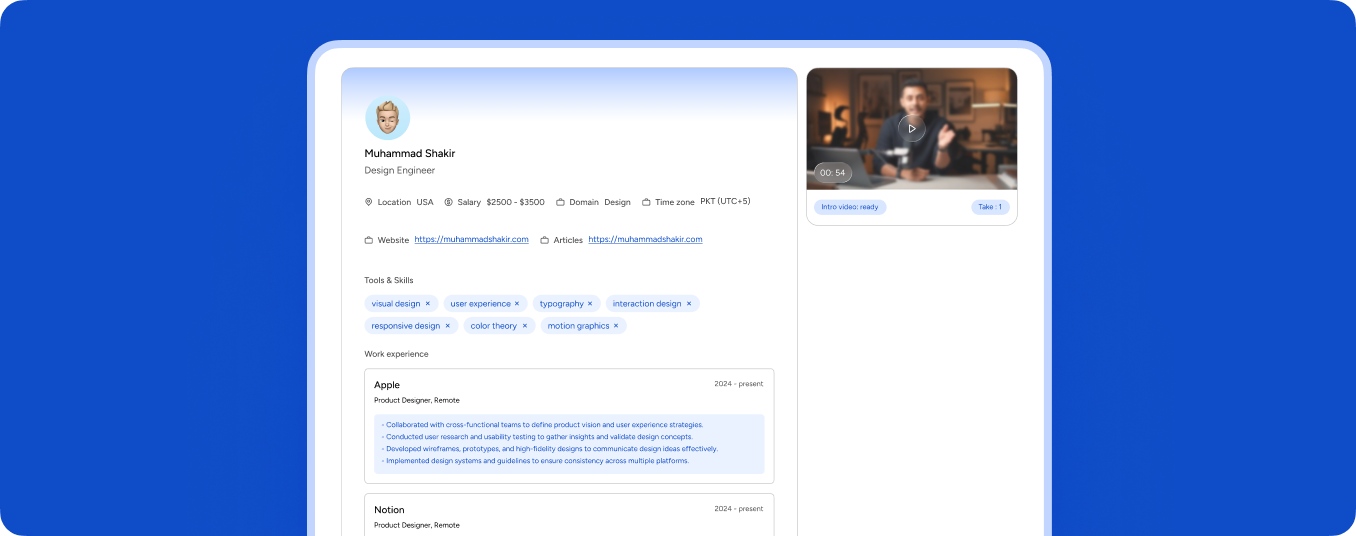
Because you see the actual person, their work, and their rate before you talk to anyone — no blind trust in a recruiter's shortlist.
Every profile goes through skills verification and reference checks before it’s searchable. Roughly 1 in 300 applicants makes it onto the platform.
LATAM, Africa, South Asia, and Europe are all searchable and filterable right on the platform.
Your next placement is free — no separate agency fee, no starting the search over from zero.
Everything you need to onboard and pay your hire compliantly is included once you place them.
$100/mo for full access to profiles and messaging, plus a flat $1,999 placement fee when you hire — no percentage of salary.
Search and get matched in under a minute. Most teams shortlist and interview within a week.