

Cody
Software Engineer
Top Skills
PythonReact.jsMachine Learning

See their work and rates, message the ones worth talking to, and hire without a recruiter in the middle.










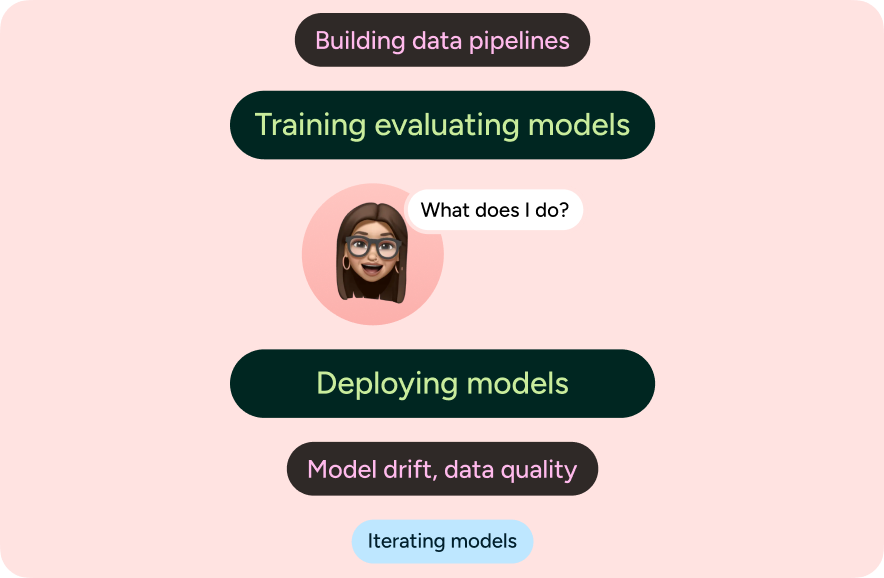
They take machine learning research from interesting in a notebook to running in production and making the business money. An offshore ML engineer typically covers:
Building data pipelines that feed training and inference systems with clean, current data
Training, evaluating, and iterating on models against business metrics that actually matter
Deploying models to production with the latency, throughput, and cost characteristics your application needs
Setting up monitoring for model drift, data quality, and prediction accuracy over time
Working with data scientists, software engineers, and product to figure out what's worth building and what isn't
A strong ML engineer balances rigor with shipping. They know that a 90% accurate model that's live beats a 95% accurate model that's still in development. Most companies hire one when their data science team has built models that nobody's productionized, or when they have an ML use case that needs real engineering muscle behind it.
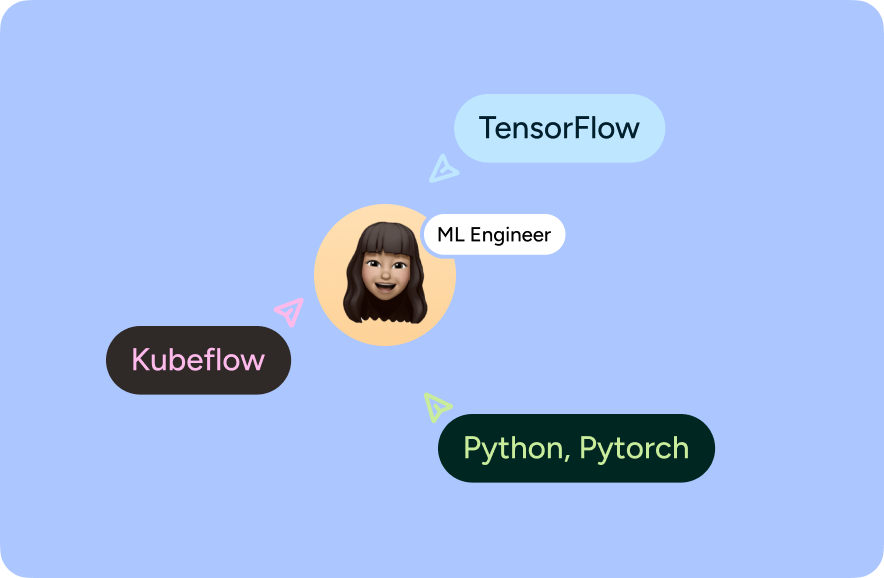
The tell is how they talk about a model going wrong in production. A strong one has stories about silent failures, training-serving skew, and data drift, and what they built to catch the next one earlier. When you interview, look for:
A specific model they shipped, the metric it optimized for, and the business outcome
Comfort with the engineering side: feature stores, model serving, A/B testing infrastructure
A point of view on when ML is worth using and when a heuristic or rules-based system is enough. The good ones don't reach for ML by default
Avoid anyone whose answers stay on training accuracy without talking about production.
One flat $1,999 placement fee when you hire, whatever the rate. No percentage of salary.
Get StartedDescribe the role like you'd say it out loud. Get matched in under a minute.
| Hiring locally | Job boards | Traditional recruiter | Scout OS | |
|---|---|---|---|---|
| Cost | $90k–$130k/yr salary | Free to post, costly in time | 15–30% of salary, $15k–$30k on a $100k hire | $99/mo + $1,999 flat |
| Time to shortlist | Weeks | Days of sorting | 1–4 weeks | Under a minute |
| Who vets | You | Nobody | The recruiter | Done. ~1 in 300 makes it on |
| Who picks | You | You | The agency | You |
| If it fails | You eat it | Start over | Sometimes a replacement | Next placement free |
| Lock-in | Full salary | None | Retainer or contract | Cancel anytime |
A recruiter's fee scales with the salary, so the better the hire, the more it costs you. On Scout OS it's flat. $1,999 is $1,999 whether the person earns $40,000 or $120,000.
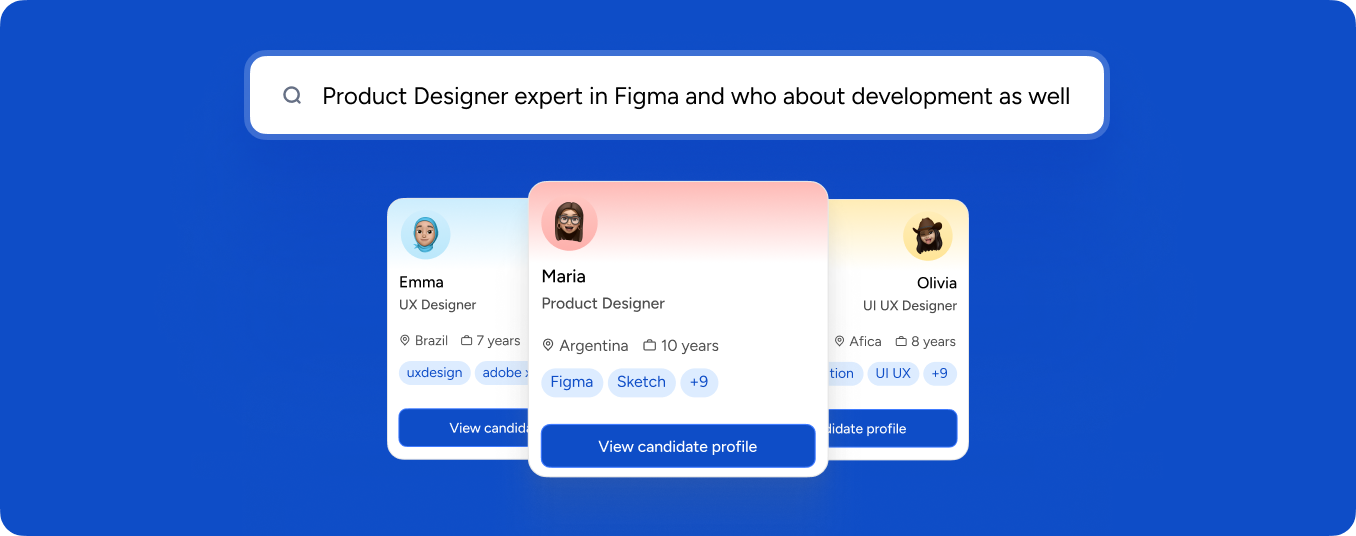
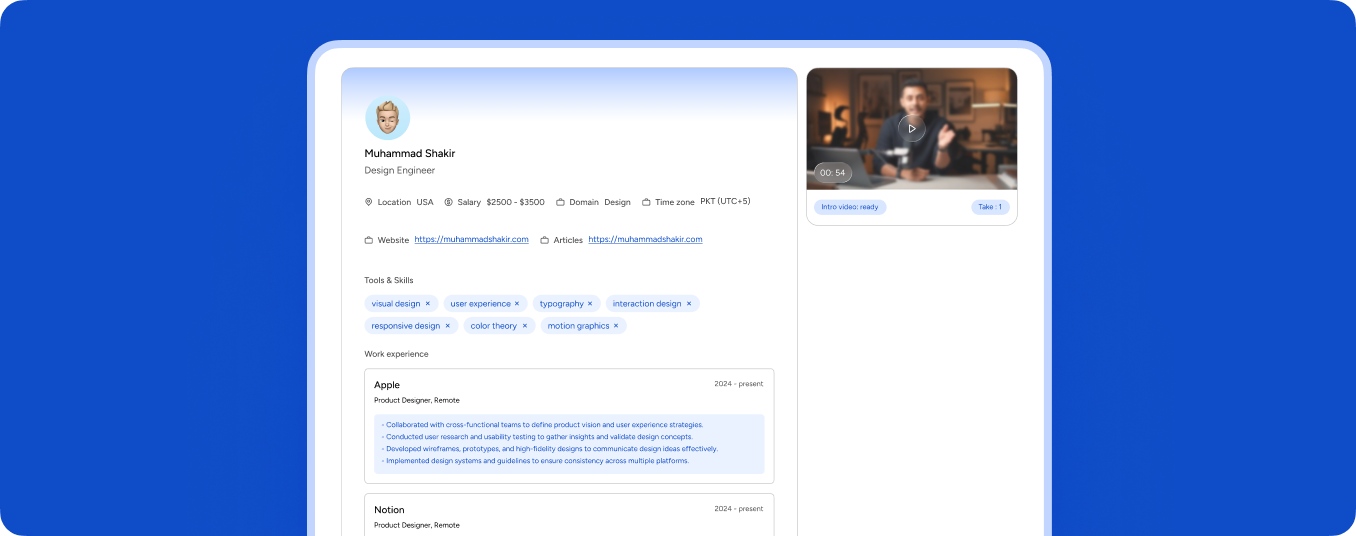
Because you see the actual person, their work, and their rate before you talk to anyone — no blind trust in a recruiter's shortlist.
Every profile goes through skills verification and reference checks before it’s searchable. Roughly 1 in 300 applicants makes it onto the platform.
LATAM, Africa, South Asia, and Europe are all searchable and filterable right on the platform.
Your next placement is free — no separate agency fee, no starting the search over from zero.
Everything you need to onboard and pay your hire compliantly is included once you place them.
$100/mo for full access to profiles and messaging, plus a flat $1,999 placement fee when you hire — no percentage of salary.
Search and get matched in under a minute. Most teams shortlist and interview within a week.