

Daniel
Full-stack AI product engineer
Top Skills
AI / MLBackend DevelopmentCloud / DevOps

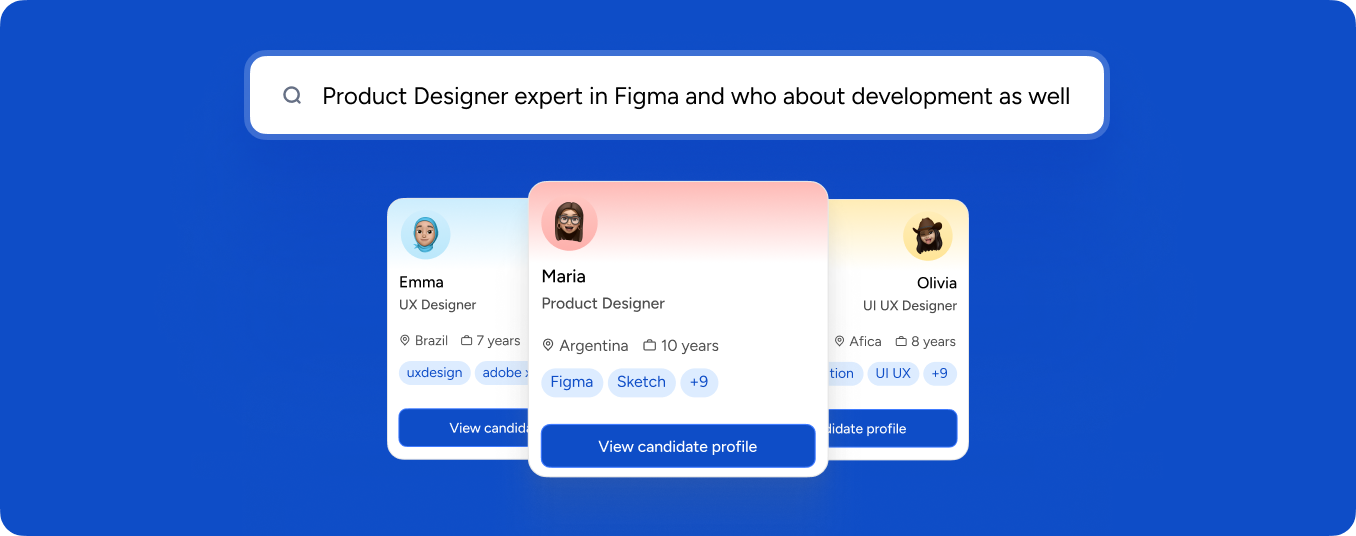
See their work and rates, message the ones worth talking to, and hire without a recruiter in the middle.










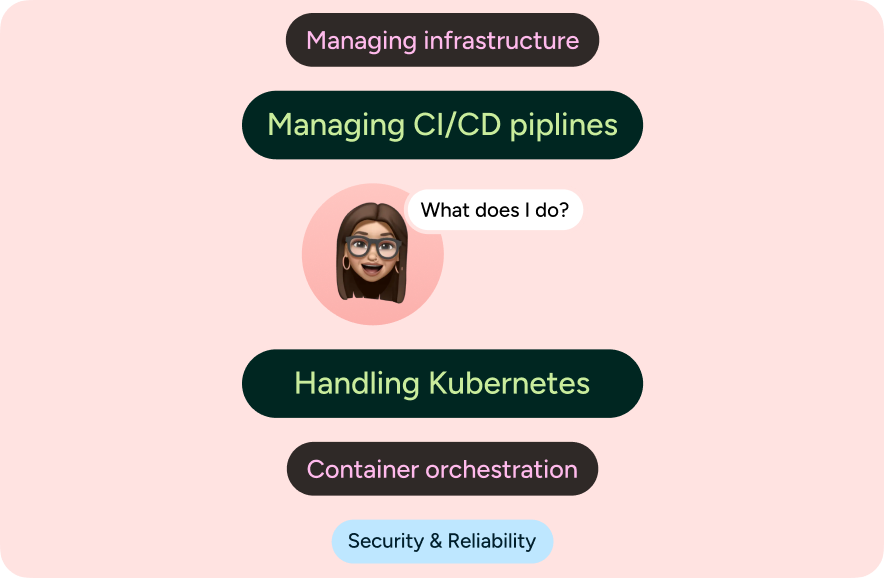
They build and maintain the systems that get your code from a developer's laptop to production without breaking, and keep production running once it's there. Day to day that means:
Designing and maintaining CI/CD pipelines so deployment is fast and safe
Managing infrastructure as code through Terraform, Pulumi, or CloudFormation
Setting up monitoring, alerting, and incident response so problems get caught before customers notice
Handling Kubernetes, container orchestration, and the surface area that comes with running services at scale
Working with security and reliability on the basics: secrets management, network policy, backup and disaster recovery
A strong DevOps engineer thinks about the cost of downtime and builds toward fewer incidents, not heroic responses to them. Most companies hire one when they've outgrown the founder-as-sysadmin phase or when their cloud bill starts becoming a real line item nobody can fully explain.
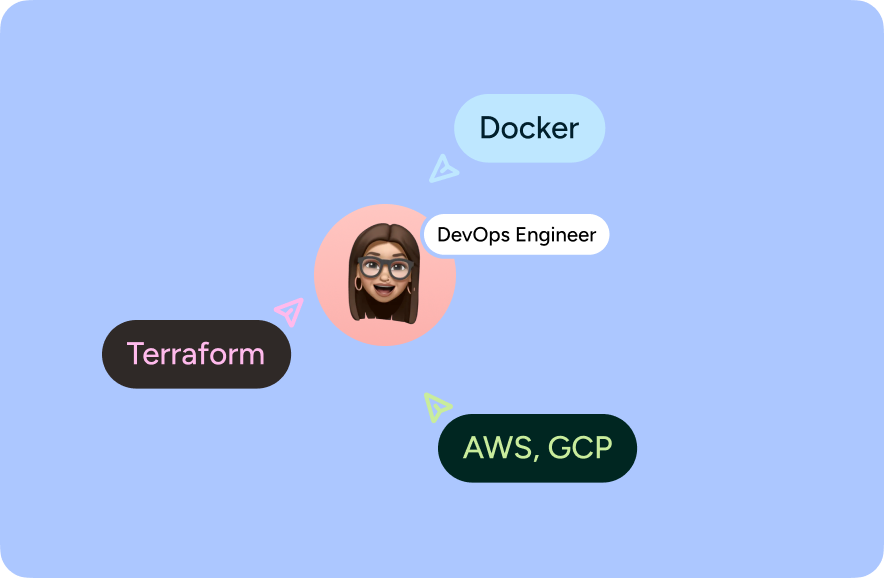
The tell is how they talk about an incident they handled. A strong one walks you through what broke, how they diagnosed it, what the fix was, and what they changed to prevent it from happening again. When you interview, look for:
Specific systems they've owned end-to-end, with the scale: number of services, requests per second, deployment frequency
Comfort with cost discipline. The good ones can tell you what's running where and what it costs
Experience with at least one major cloud provider. Multi-cloud is a different challenge
Avoid anyone whose answers stay theoretical when you ask about production fires.
One flat $1,999 placement fee when you hire, whatever the rate. No percentage of salary.
Get StartedDescribe the role like you'd say it out loud. Get matched in under a minute.
| Hiring locally | Job boards | Traditional recruiter | Scout OS | |
|---|---|---|---|---|
| Cost | $90k–$130k/yr salary | Free to post, costly in time | 15–30% of salary, $15k–$30k on a $100k hire | $99/mo + $1,999 flat |
| Time to shortlist | Weeks | Days of sorting | 1–4 weeks | Under a minute |
| Who vets | You | Nobody | The recruiter | Done. ~1 in 300 makes it on |
| Who picks | You | You | The agency | You |
| If it fails | You eat it | Start over | Sometimes a replacement | Next placement free |
| Lock-in | Full salary | None | Retainer or contract | Cancel anytime |
A recruiter's fee scales with the salary, so the better the hire, the more it costs you. On Scout OS it's flat. $1,999 is $1,999 whether the person earns $40,000 or $120,000.
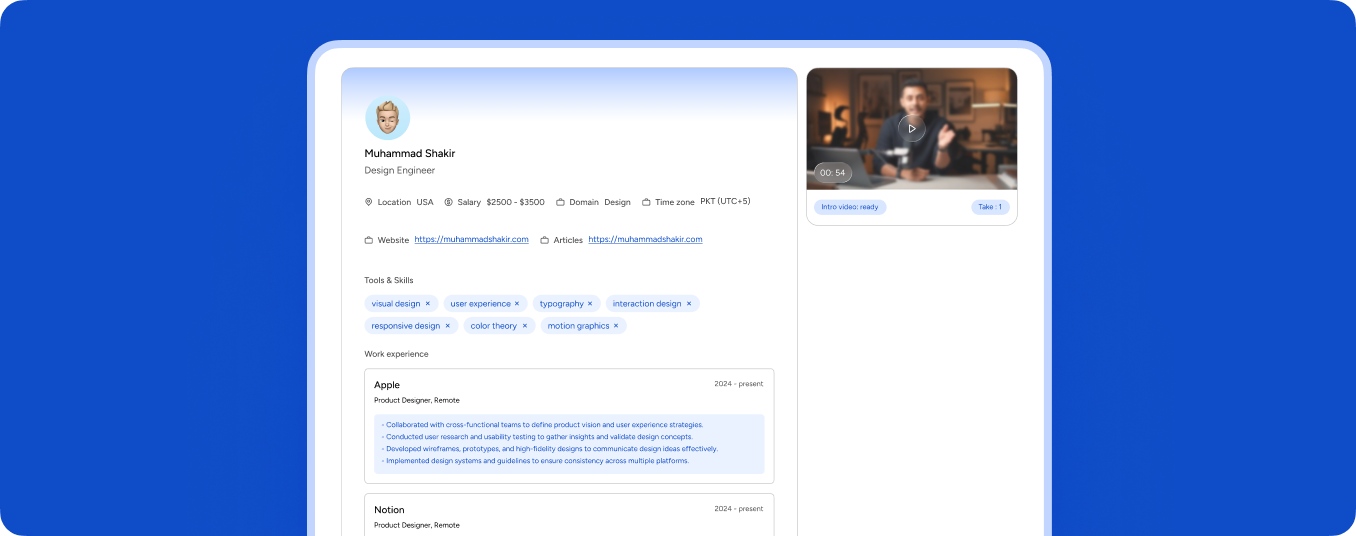
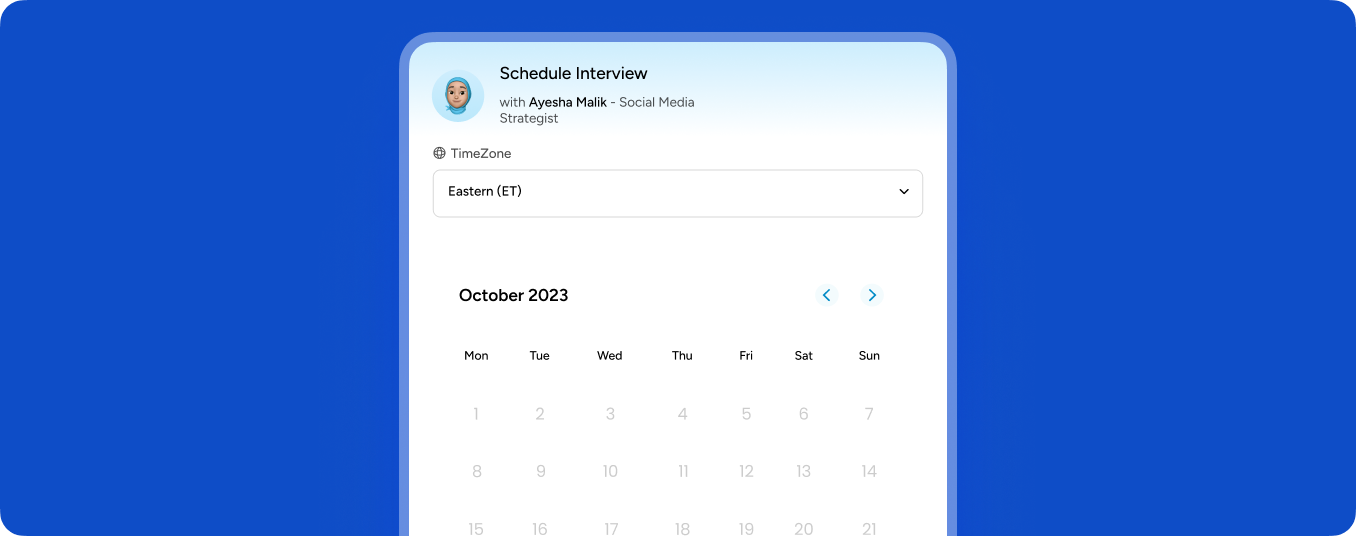
Because you see the actual person, their work, and their rate before you talk to anyone — no blind trust in a recruiter's shortlist.
Every profile goes through skills verification and reference checks before it’s searchable. Roughly 1 in 300 applicants makes it onto the platform.
LATAM, Africa, South Asia, and Europe are all searchable and filterable right on the platform.
Your next placement is free — no separate agency fee, no starting the search over from zero.
Everything you need to onboard and pay your hire compliantly is included once you place them.
$100/mo for full access to profiles and messaging, plus a flat $1,999 placement fee when you hire — no percentage of salary.
Search and get matched in under a minute. Most teams shortlist and interview within a week.