

Kashif
Video Editor
Top Skills
Adobe Premiere ProAdobe After EffectsVideo Editing

See their work and rates, message the ones worth talking to, and hire without a recruiter in the middle.










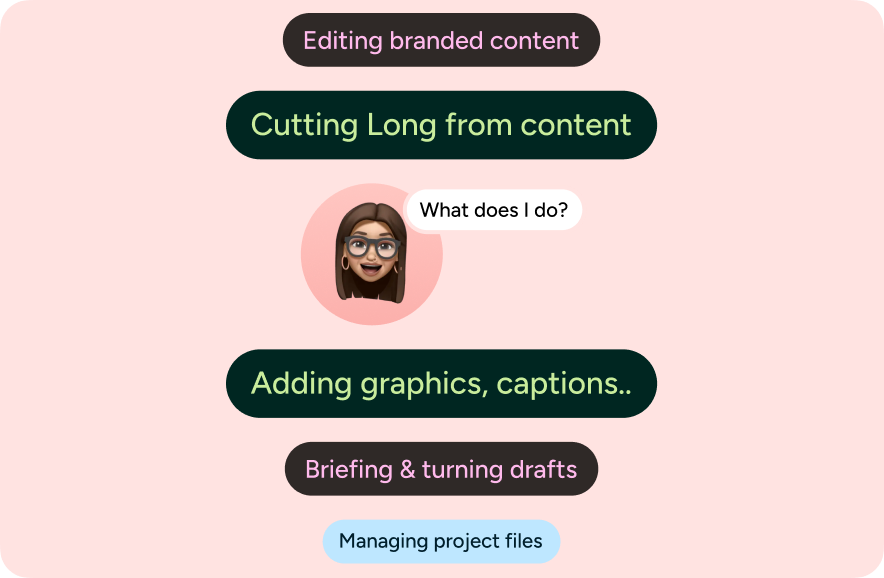
They take the raw footage you or your team shot and turn it into something people actually watch. An offshore video editor typically covers:
Cutting long-form content like podcasts, webinars, or interviews into the final long version plus short clips
Editing branded content, product videos, customer stories, or sales videos to a clear narrative
Adding graphics, captions, B-roll, color grading, and sound design where the project calls for it
Working from a brief and turning around drafts on the timeline the team needs them
Managing project files, version control, and assets so nothing gets lost or duplicated
A strong video editor reads the footage and knows what to cut, not just how to cut it. They've developed taste, and they can defend their choices. Most companies hire one when their video output has grown from occasional to constant and the current freelance bill is starting to look painful.
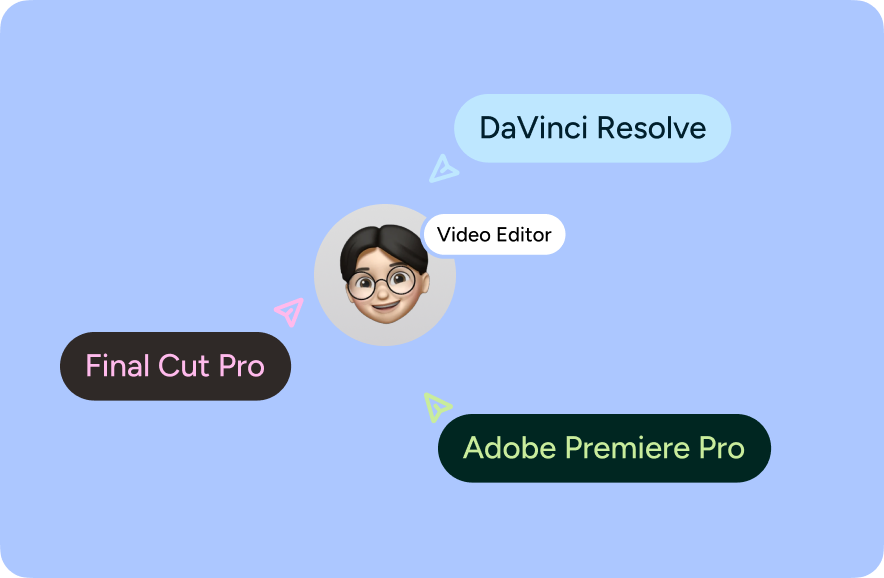
The tell is whether their reel includes work that isn't slick and polished. Different briefs need different feels, and the good ones can do both. When you interview, look for:
Specific projects with what the brief was and what they were trying to do
Comfort with turnaround. The right answer to 'how fast can you edit a 30-minute podcast into a final cut' depends on quality expectations, and they should ask
Familiarity with the workflow side: file management, review tools, codecs
Avoid anyone whose reel only shows polished commercial work when you need a YouTube-style editor.
One flat $1,999 placement fee when you hire, whatever the rate. No percentage of salary.
Get StartedDescribe the role like you'd say it out loud. Get matched in under a minute.
| Hiring locally | Job boards | Traditional recruiter | Scout OS | |
|---|---|---|---|---|
| Cost | $90k–$130k/yr salary | Free to post, costly in time | 15–30% of salary, $15k–$30k on a $100k hire | $99/mo + $1,999 flat |
| Time to shortlist | Weeks | Days of sorting | 1–4 weeks | Under a minute |
| Who vets | You | Nobody | The recruiter | Done. ~1 in 300 makes it on |
| Who picks | You | You | The agency | You |
| If it fails | You eat it | Start over | Sometimes a replacement | Next placement free |
| Lock-in | Full salary | None | Retainer or contract | Cancel anytime |
A recruiter's fee scales with the salary, so the better the hire, the more it costs you. On Scout OS it's flat. $1,999 is $1,999 whether the person earns $40,000 or $120,000.
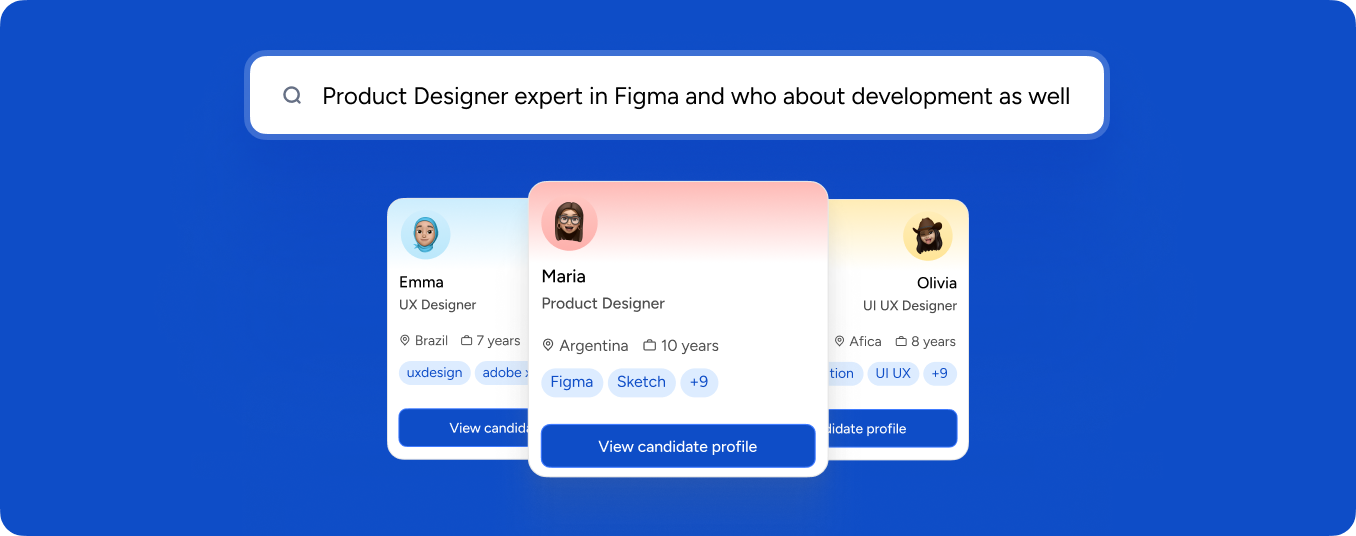
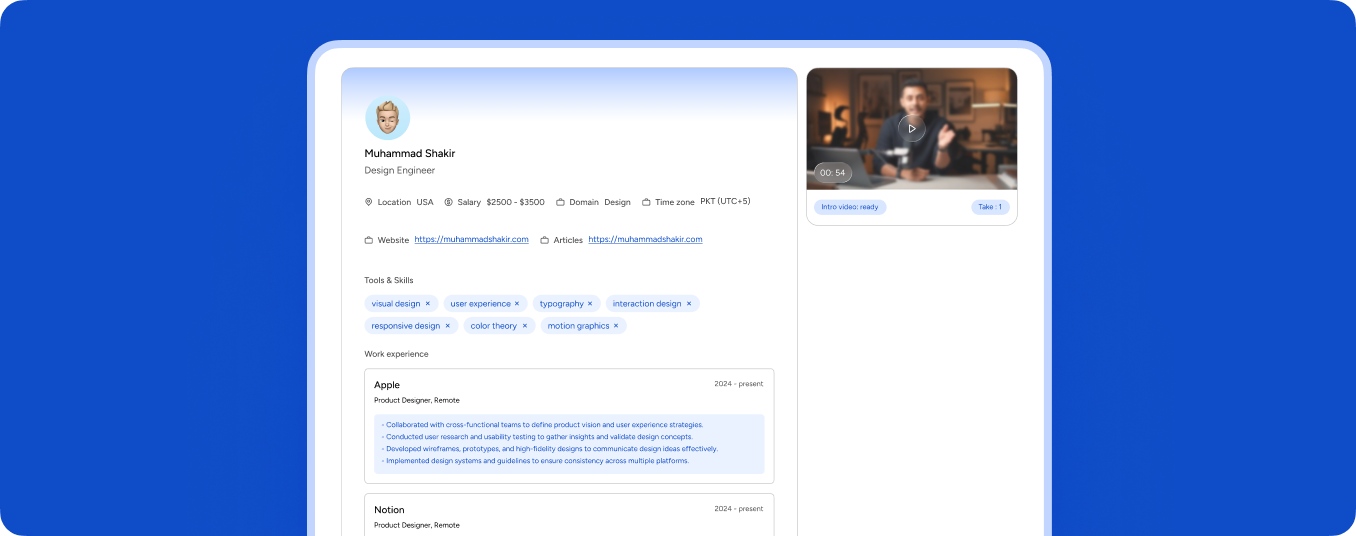
Because you see the actual person, their work, and their rate before you talk to anyone — no blind trust in a recruiter's shortlist.
Every profile goes through skills verification and reference checks before it’s searchable. Roughly 1 in 300 applicants makes it onto the platform.
LATAM, Africa, South Asia, and Europe are all searchable and filterable right on the platform.
Your next placement is free — no separate agency fee, no starting the search over from zero.
Everything you need to onboard and pay your hire compliantly is included once you place them.
$100/mo for full access to profiles and messaging, plus a flat $1,999 placement fee when you hire — no percentage of salary.
Search and get matched in under a minute. Most teams shortlist and interview within a week.