

Oyewole
Financial Controller
Top Skills
Financial Reporting & AuditFinancial Management & AccountingBusiness & Strategic Planning

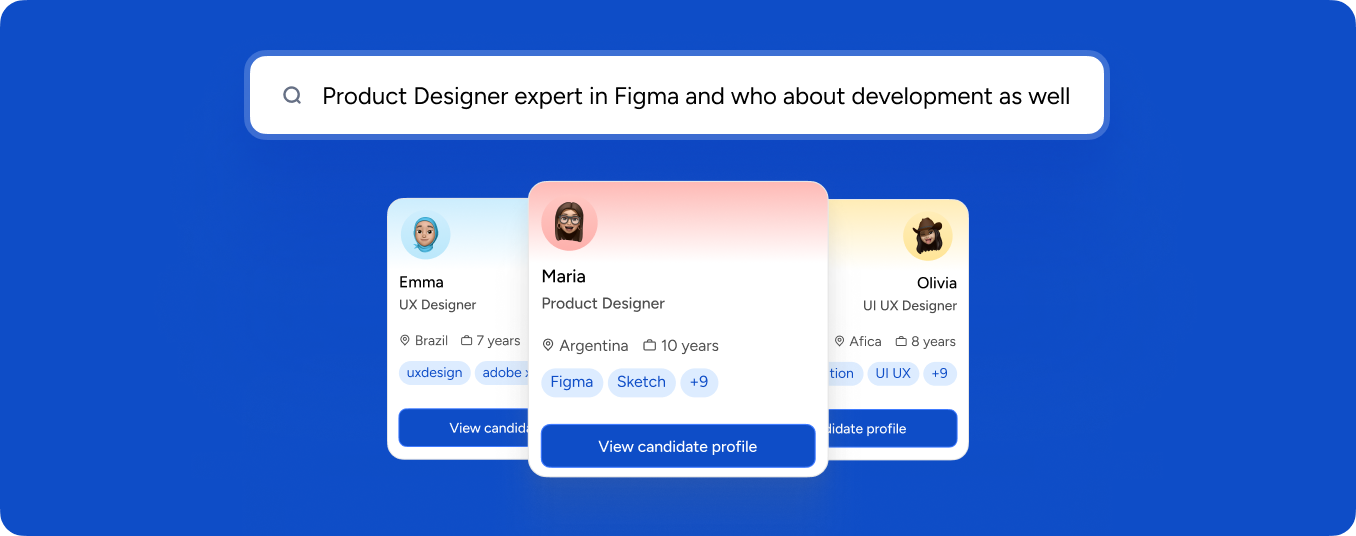
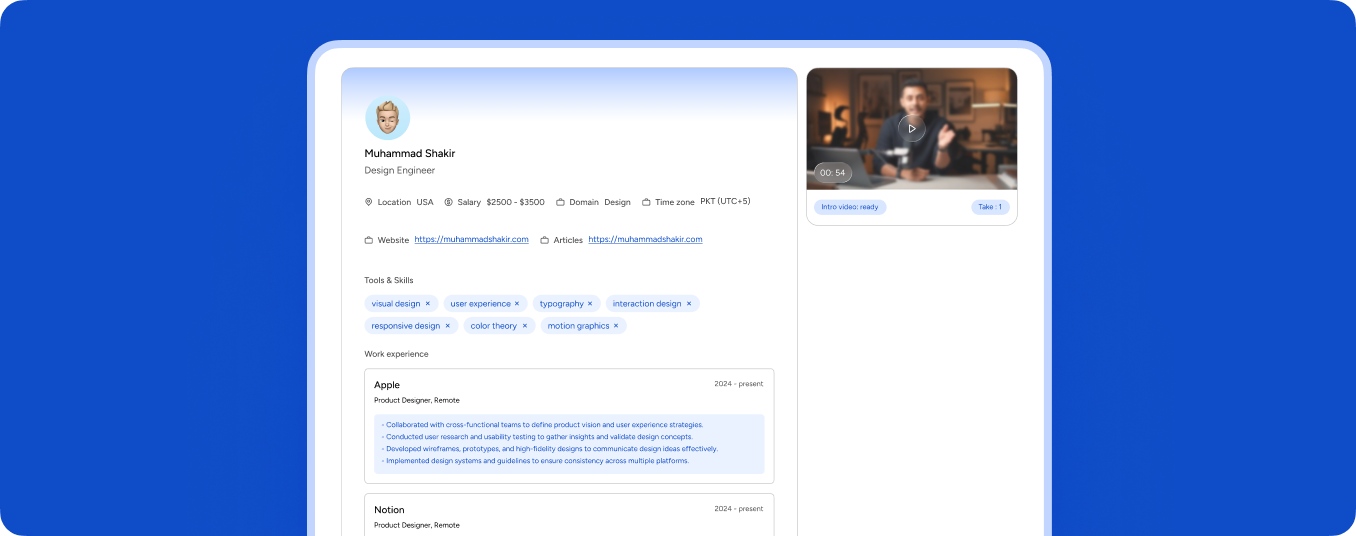
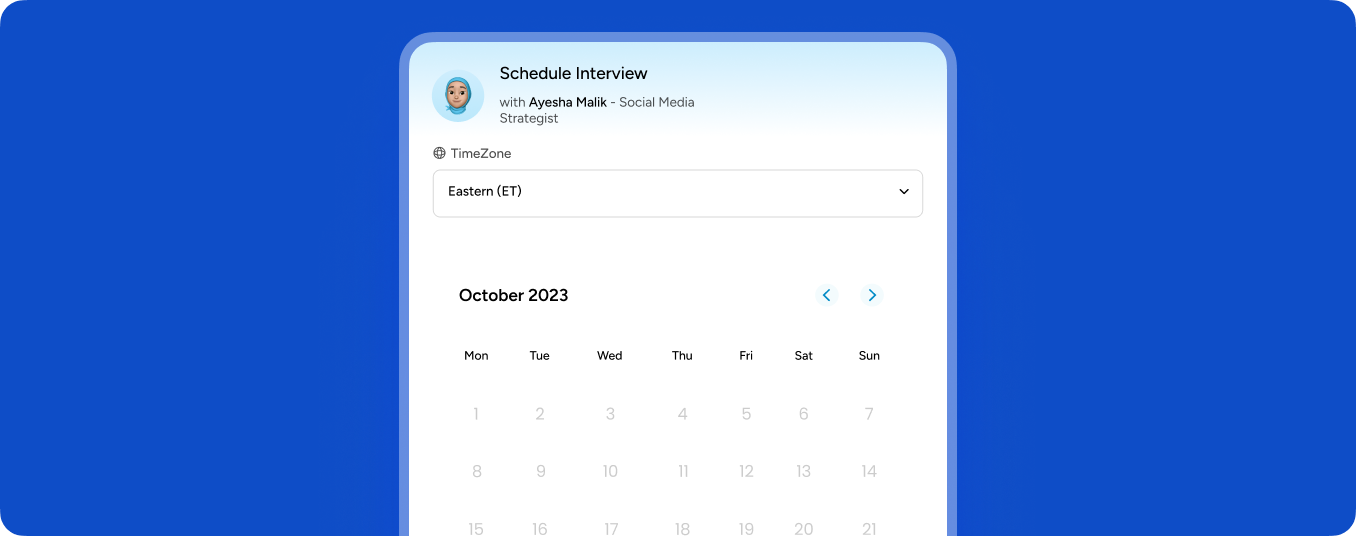
See their work and rates, message the ones worth talking to, and hire without a recruiter in the middle.










They handle the finance work that goes beyond bookkeeping and gives you the picture you actually need to run the business. An offshore accountant typically covers:
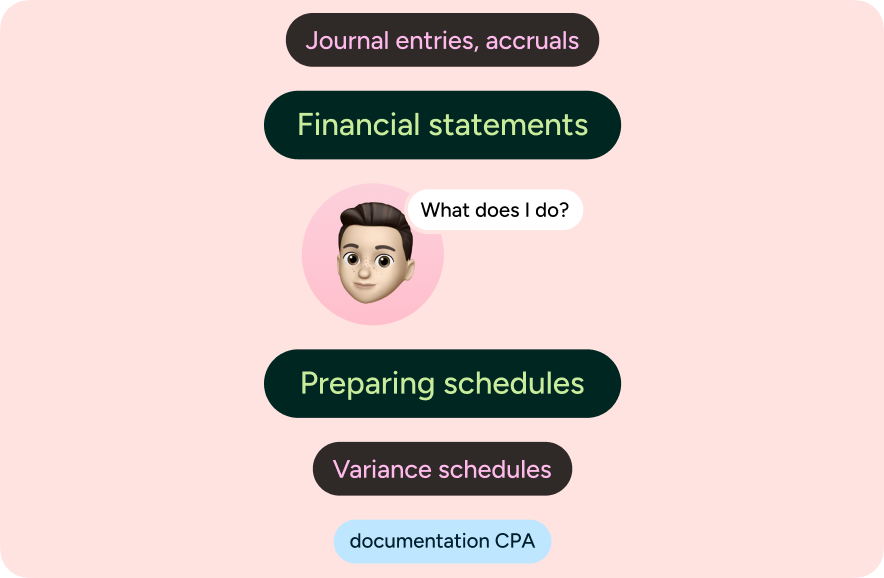
Monthly close and journal entries, accruals, prepaid expenses, depreciation schedules
Preparing and reviewing financial statements: P&L, balance sheet, cash flow
Reconciling complex accounts beyond just bank and credit card: intercompany, deferred revenue, inventory
Preparing schedules and supporting documentation for the CPA at tax time or for audits
Variance analysis and management reporting so you can see what changed and why
A strong accountant catches errors before they hit the financials and explains what the numbers mean in plain words. Most growing companies hire one once their bookkeeper has hit the ceiling of what bookkeeping covers and they need someone who can handle accruals, revenue recognition, and clean-up work.
The tell is how they talk about close. A strong one tells you their target close day and what they do when something's not ready in time. When you interview, look for:
Specific months they closed, with the size and complexity of the books
Familiarity with GAAP and the accounting standards relevant to your industry. SaaS revenue recognition, inventory accounting, and project accounting are all different worlds
Experience working with a CPA or audit firm. The right answer to 'have you been through an audit' is yes, with the year and outcome
Avoid anyone who can't explain accrual accounting cleanly or who quotes you a rate before understanding your books.
One flat $1,999 placement fee when you hire, whatever the rate. No percentage of salary.
Get StartedDescribe the role like you'd say it out loud. Get matched in under a minute.
| Hiring locally | Job boards | Traditional recruiter | Scout OS | |
|---|---|---|---|---|
| Cost | $90k–$130k/yr salary | Free to post, costly in time | 15–30% of salary, $15k–$30k on a $100k hire | $99/mo + $1,999 flat |
| Time to shortlist | Weeks | Days of sorting | 1–4 weeks | Under a minute |
| Who vets | You | Nobody | The recruiter | Done. ~1 in 300 makes it on |
| Who picks | You | You | The agency | You |
| If it fails | You eat it | Start over | Sometimes a replacement | Next placement free |
| Lock-in | Full salary | None | Retainer or contract | Cancel anytime |
A recruiter's fee scales with the salary, so the better the hire, the more it costs you. On Scout OS it's flat. $1,999 is $1,999 whether the person earns $40,000 or $120,000.
Because you see the actual person, their work, and their rate before you talk to anyone — no blind trust in a recruiter's shortlist.
Every profile goes through skills verification and reference checks before it’s searchable. Roughly 1 in 300 applicants makes it onto the platform.
LATAM, Africa, South Asia, and Europe are all searchable and filterable right on the platform.
Your next placement is free — no separate agency fee, no starting the search over from zero.
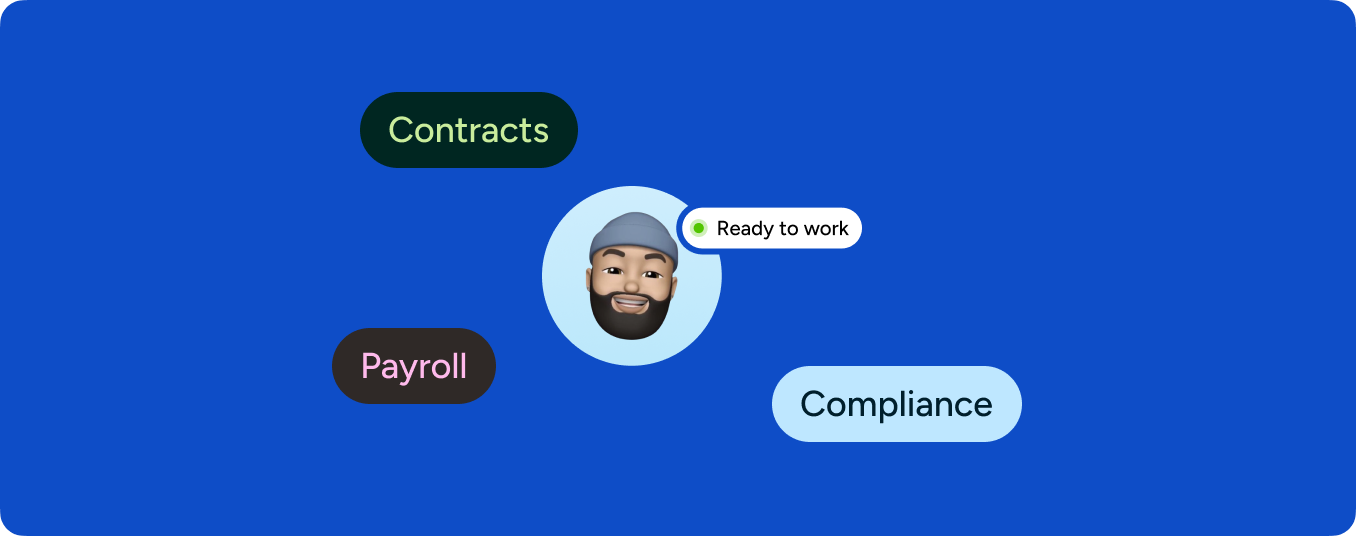
Everything you need to onboard and pay your hire compliantly is included once you place them.
$100/mo for full access to profiles and messaging, plus a flat $1,999 placement fee when you hire — no percentage of salary.
Search and get matched in under a minute. Most teams shortlist and interview within a week.