

Mary
Bookkeeper
Top Skills
BookkeepingMicrosoft ExcelVendor Management

See their work and rates, message the ones worth talking to, and hire without a recruiter in the middle.










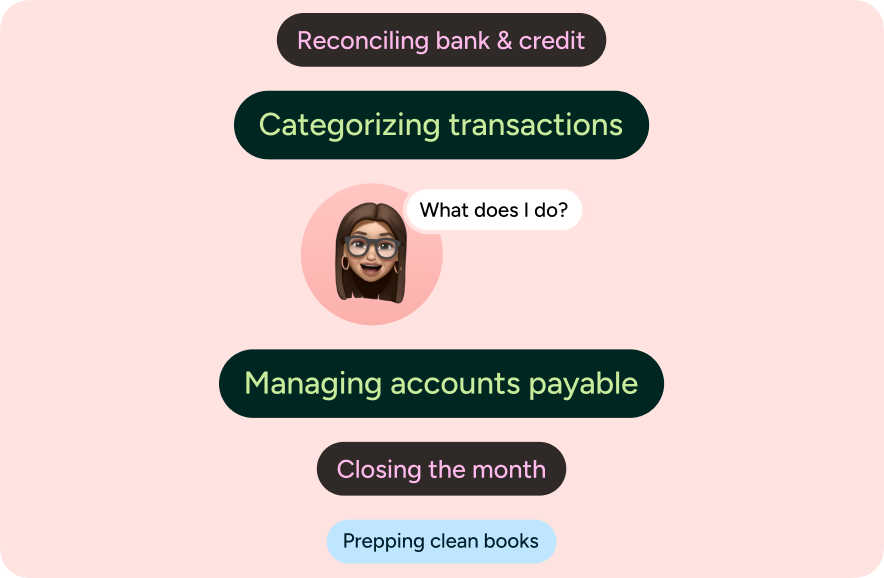
They keep your books accurate, current, and ready for tax time without you having to think about it. An offshore bookkeeper handles the work that piles up when nobody's watching:
Categorizing transactions in QuickBooks, Xero, or whatever you run, so the P&L tells you the truth
Reconciling bank and credit card accounts every month and flagging anything that looks off
Managing accounts payable and receivable, sending invoices, chasing payments
Closing the month so you have clean financials by the 15th, not the 30th
Prepping clean books for your CPA at year-end so they're not billing you to fix mistakes
A strong one catches errors before they compound and tells you what your numbers actually mean. Most founders hire a bookkeeper once the receipts pile up and they realize they've been guessing at margins for two quarters.
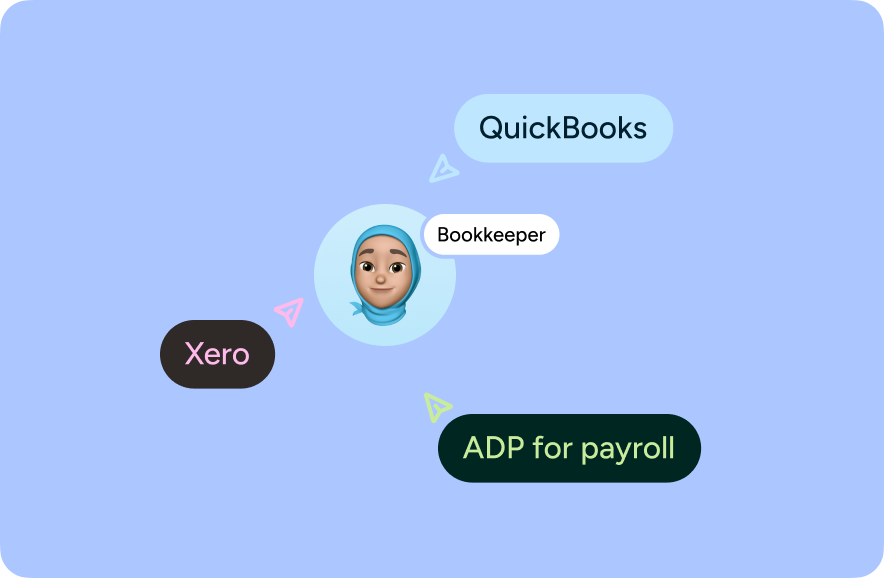
The tell is how they talk about your books. A strong one asks about your chart of accounts, your fiscal cycle, and how clean things are before they quote you. A weak one quotes you a monthly rate without asking anything. When you interview, look for:
Specific examples of messes they've cleaned up. Categorization errors, undeposited funds sitting for months, foreign currency reconciliations
Experience with your specific stack. QuickBooks Online and QuickBooks Desktop are different worlds
Industry awareness. A bookkeeper who's done construction trade work isn't automatically going to handle SaaS revenue recognition
Avoid anyone who can't explain accrual versus cash accounting in plain words.
One flat $1,999 placement fee when you hire, whatever the rate. No percentage of salary.
Get StartedDescribe the role like you'd say it out loud. Get matched in under a minute.
| Hiring locally | Job boards | Traditional recruiter | Scout OS | |
|---|---|---|---|---|
| Cost | $90k–$130k/yr salary | Free to post, costly in time | 15–30% of salary, $15k–$30k on a $100k hire | $99/mo + $1,999 flat |
| Time to shortlist | Weeks | Days of sorting | 1–4 weeks | Under a minute |
| Who vets | You | Nobody | The recruiter | Done. ~1 in 300 makes it on |
| Who picks | You | You | The agency | You |
| If it fails | You eat it | Start over | Sometimes a replacement | Next placement free |
| Lock-in | Full salary | None | Retainer or contract | Cancel anytime |
A recruiter's fee scales with the salary, so the better the hire, the more it costs you. On Scout OS it's flat. $1,999 is $1,999 whether the person earns $40,000 or $120,000.
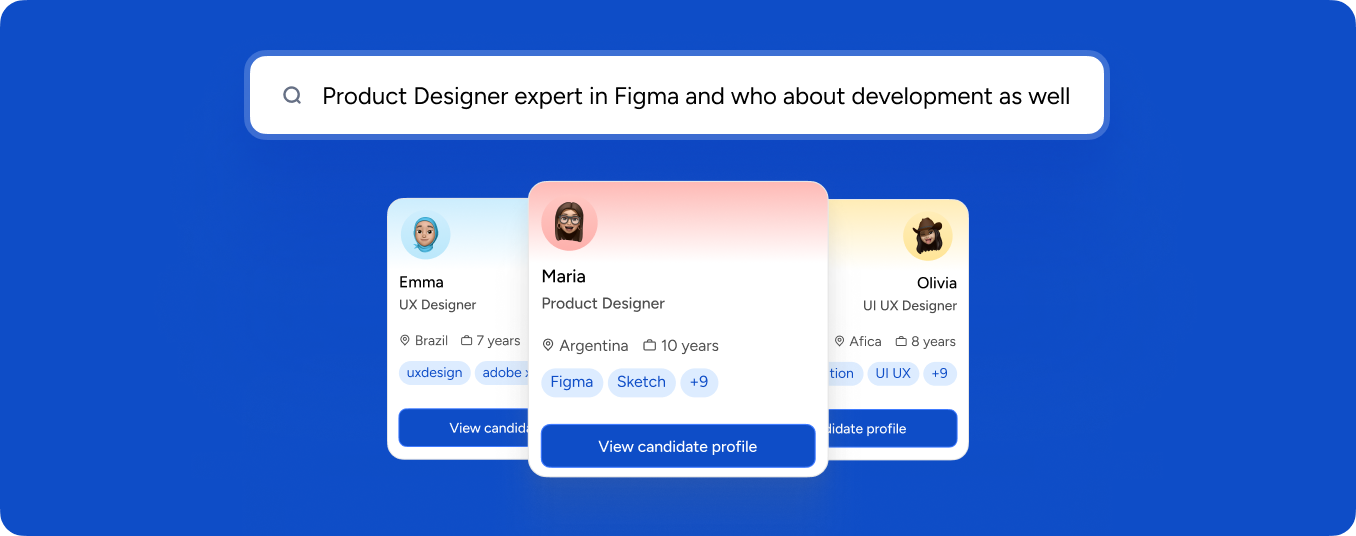
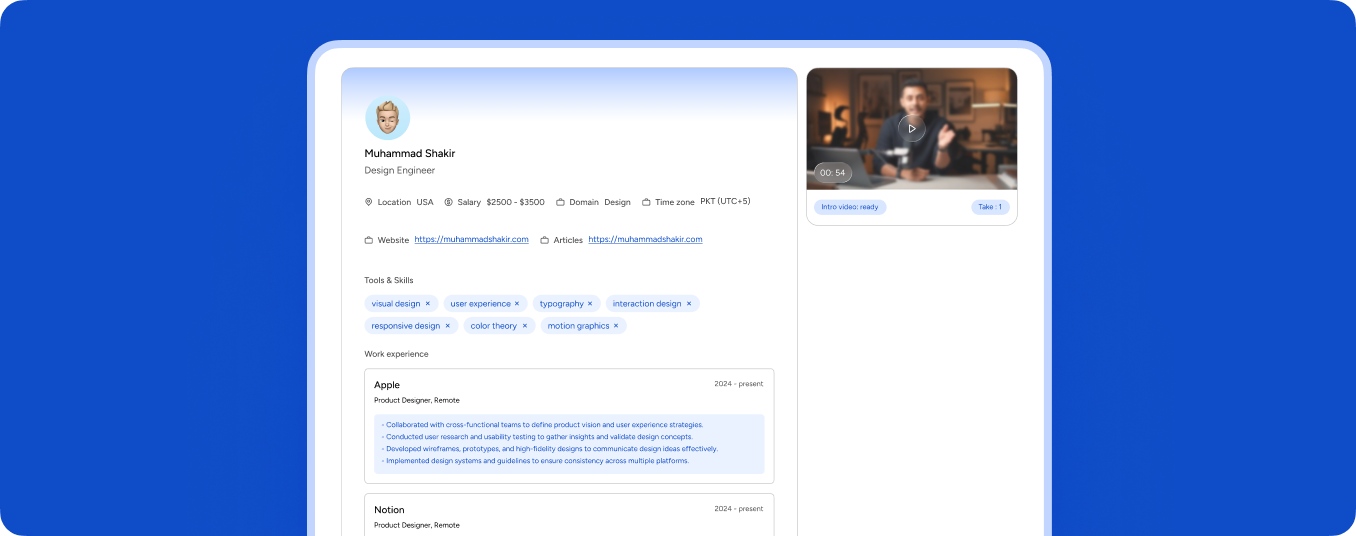
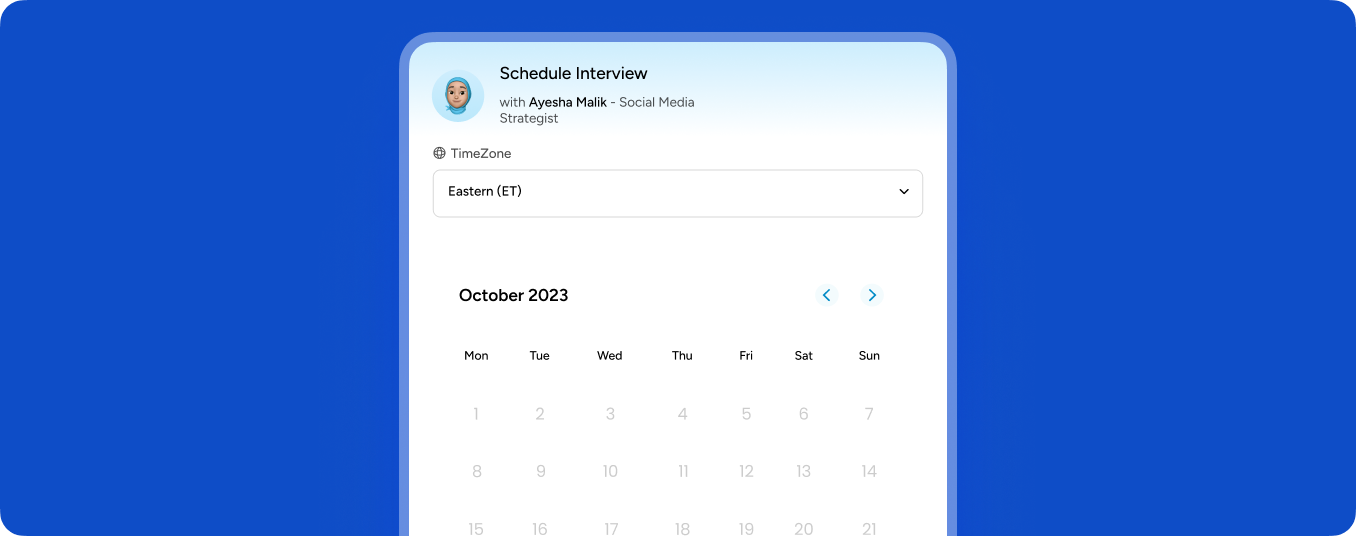
Because you see the actual person, their work, and their rate before you talk to anyone — no blind trust in a recruiter's shortlist.
Every profile goes through skills verification and reference checks before it’s searchable. Roughly 1 in 300 applicants makes it onto the platform.
LATAM, Africa, South Asia, and Europe are all searchable and filterable right on the platform.
Your next placement is free — no separate agency fee, no starting the search over from zero.
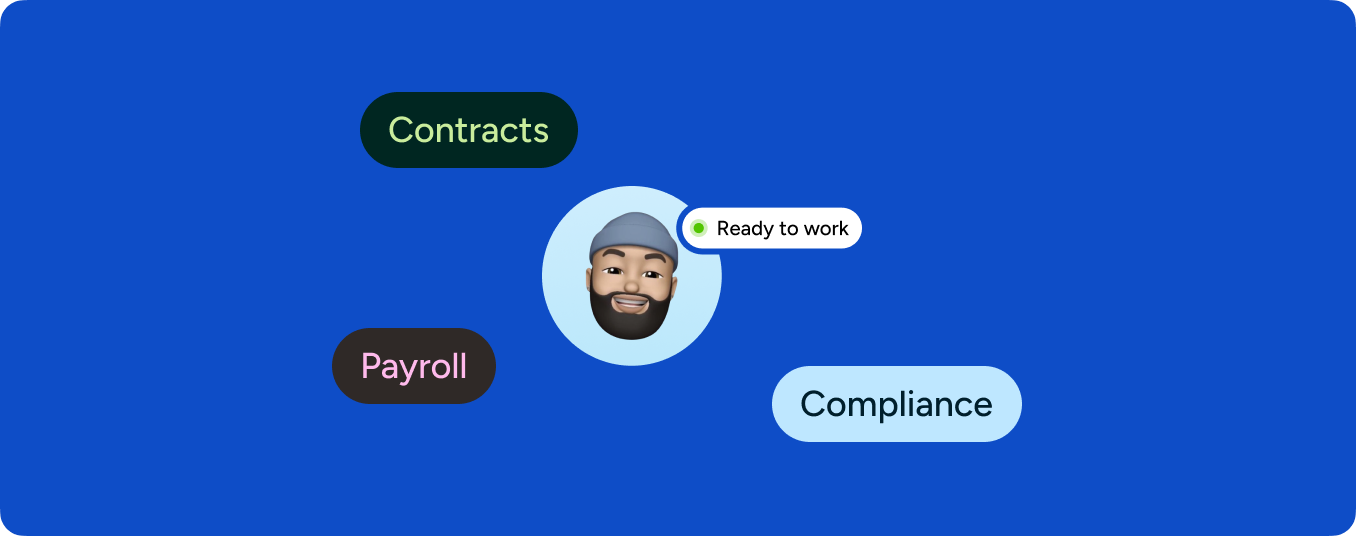
Everything you need to onboard and pay your hire compliantly is included once you place them.
$100/mo for full access to profiles and messaging, plus a flat $1,999 placement fee when you hire — no percentage of salary.
Search and get matched in under a minute. Most teams shortlist and interview within a week.