

Ileana
Senior Executive Assistant
Top Skills
Executive AssistanceBilingual Communication (English/Spanish)Administrative Coordination

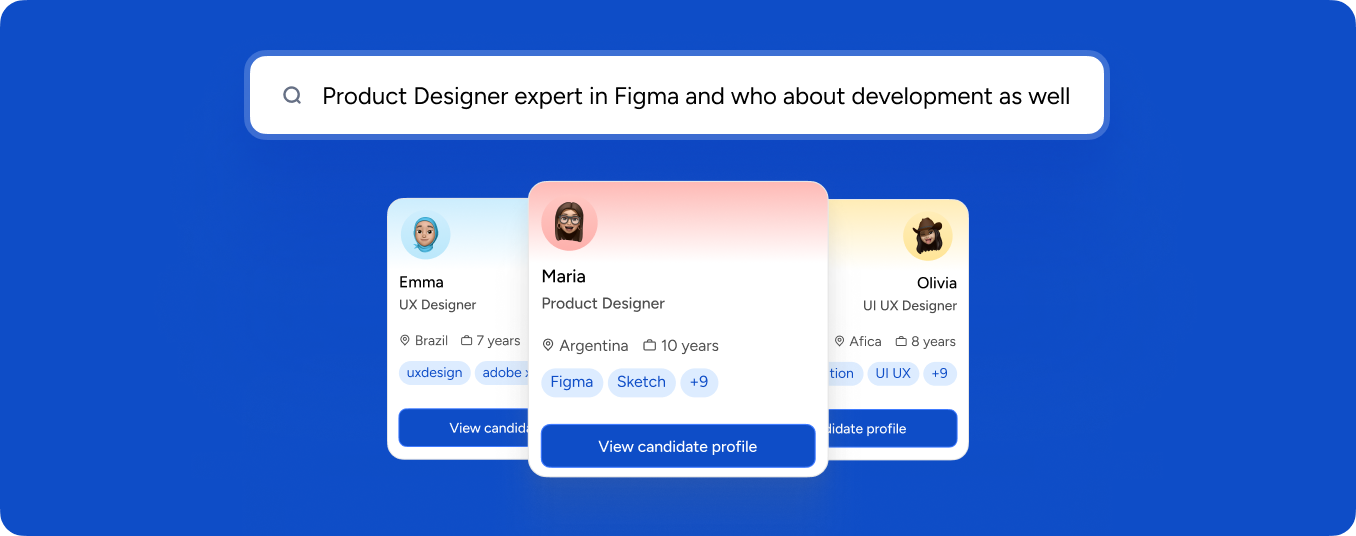
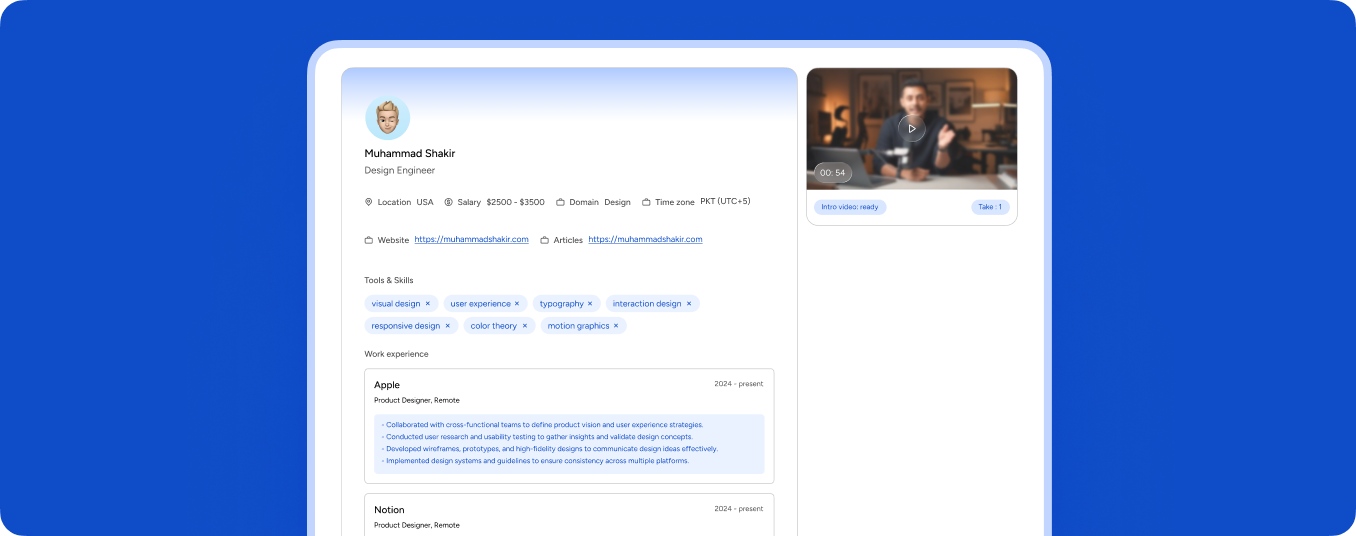
See their work and rates, message the ones worth talking to, and hire without a recruiter in the middle.










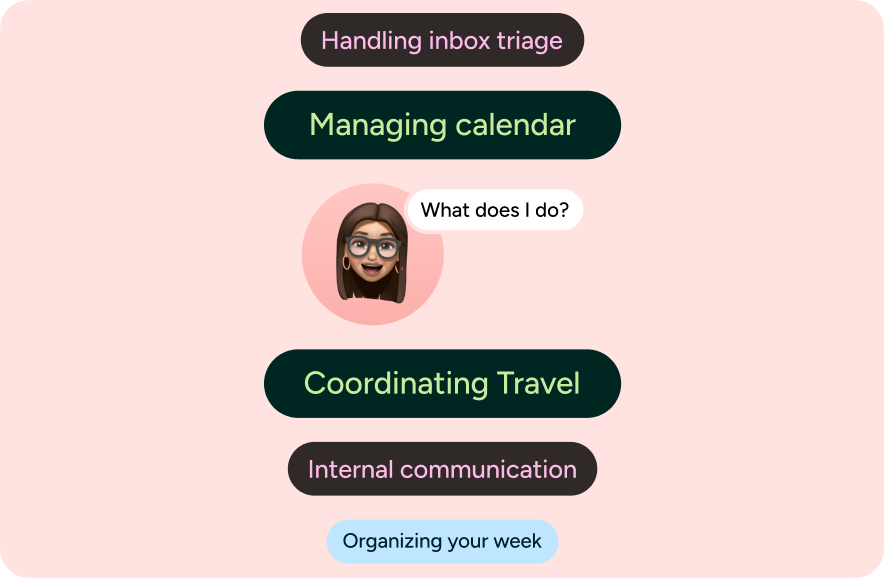
They take the work that's eating your calendar and run it without you. A strong executive assistant handles the operational layer that lets you actually do the job you were supposed to be doing:
Managing your calendar, prioritizing meetings against actual goals, and saying no on your behalf
Handling inbox triage, drafting replies in your voice, and routing things that need your attention
Coordinating travel, expenses, vendor relationships, and the dozen small things that pile up
Running point on internal communication so the team isn't waiting on you for every decision
Organizing your week around the work that actually moves the needle, not what's loudest
A strong EA reads your business well enough to make calls without checking. They learn what you'd say yes or no to and start doing it themselves. Most founders and senior executives hire one once they've calculated what an hour of their time is worth versus what an EA costs and the math becomes embarrassing.
The tell is how they describe past principals. A strong EA talks about their last executive as a partnership, not a job description. They remember the specifics of what they ran and why. When you interview, look for:
A track record with one or two executives over multiple years, not job-hopping every six months
Comfort with autonomy. The good ones make decisions and tell you, instead of asking permission for everything
A clear sense of what's confidential and what isn't. Discretion isn't a soft skill, it's the whole job
Avoid anyone who frames EA work as glorified scheduling.
One flat $1,999 placement fee when you hire, whatever the rate. No percentage of salary.
Get StartedDescribe the role like you'd say it out loud. Get matched in under a minute.
| Hiring locally | Job boards | Traditional recruiter | Scout OS | |
|---|---|---|---|---|
| Cost | $90k–$130k/yr salary | Free to post, costly in time | 15–30% of salary, $15k–$30k on a $100k hire | $99/mo + $1,999 flat |
| Time to shortlist | Weeks | Days of sorting | 1–4 weeks | Under a minute |
| Who vets | You | Nobody | The recruiter | Done. ~1 in 300 makes it on |
| Who picks | You | You | The agency | You |
| If it fails | You eat it | Start over | Sometimes a replacement | Next placement free |
| Lock-in | Full salary | None | Retainer or contract | Cancel anytime |
A recruiter's fee scales with the salary, so the better the hire, the more it costs you. On Scout OS it's flat. $1,999 is $1,999 whether the person earns $40,000 or $120,000.
Because you see the actual person, their work, and their rate before you talk to anyone — no blind trust in a recruiter's shortlist.
Every profile goes through skills verification and reference checks before it’s searchable. Roughly 1 in 300 applicants makes it onto the platform.
LATAM, Africa, South Asia, and Europe are all searchable and filterable right on the platform.
Your next placement is free — no separate agency fee, no starting the search over from zero.
Everything you need to onboard and pay your hire compliantly is included once you place them.
$100/mo for full access to profiles and messaging, plus a flat $1,999 placement fee when you hire — no percentage of salary.
Search and get matched in under a minute. Most teams shortlist and interview within a week.